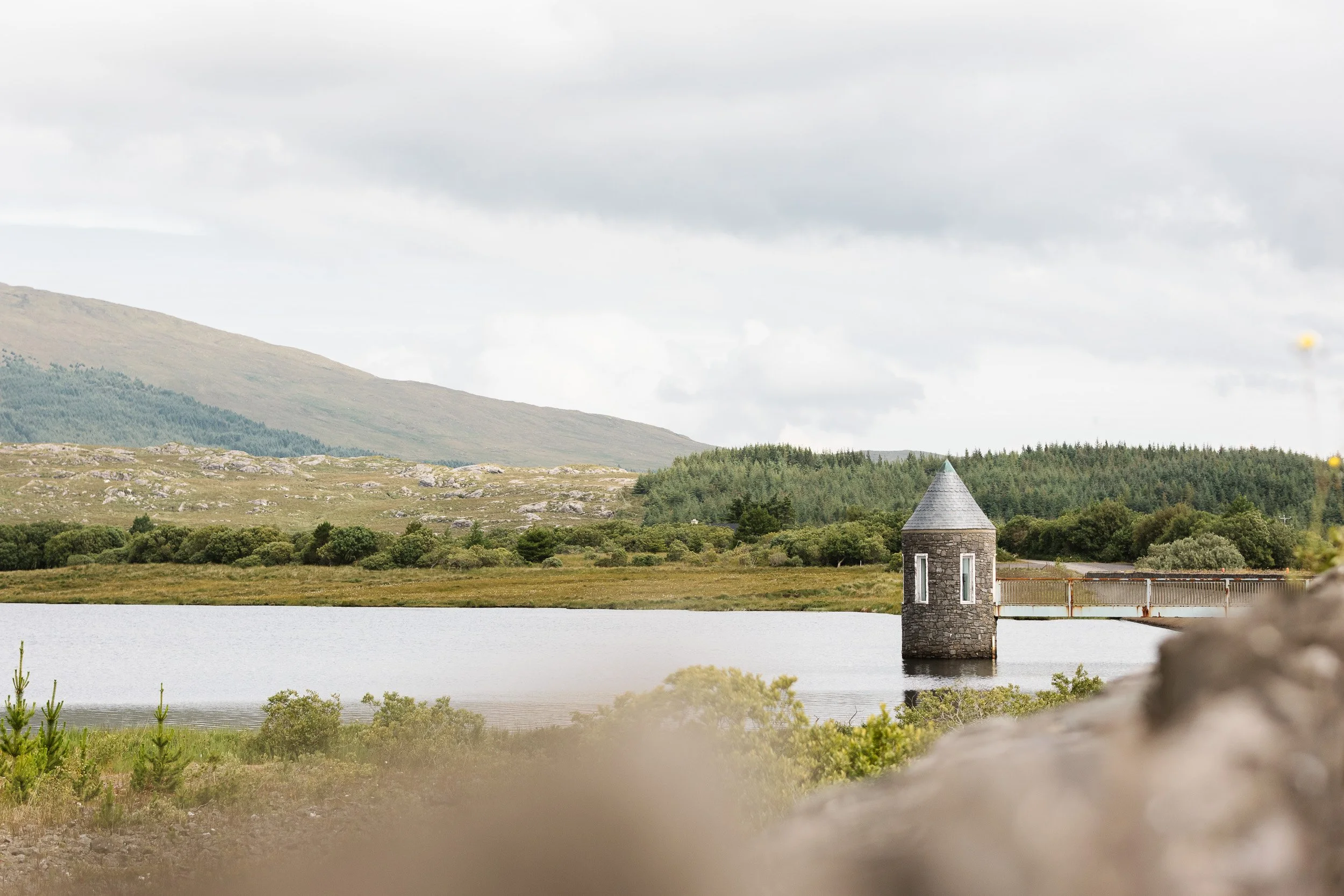
Bikepacking Route: Donegal Back Roads and Boreens
‘Donegal Back Roads and Boreens’ was designed in the summer of 2024 to showcase some of my favourite locations in the southwest of the county.
At 137km, it’s rideable in a single day but best enjoyed slowly as a bikepacking overnighter, with a wild camp near the halfway mark on St. John’s Point beach (hotels are available in Killybegs).
Along the way, there are plenty of side quests on offer for adventurous riders wishing to cover more ground, such as the steep climb to the world-famous Slieve League sea cliffs near Carrick. You can really make this experience your own.
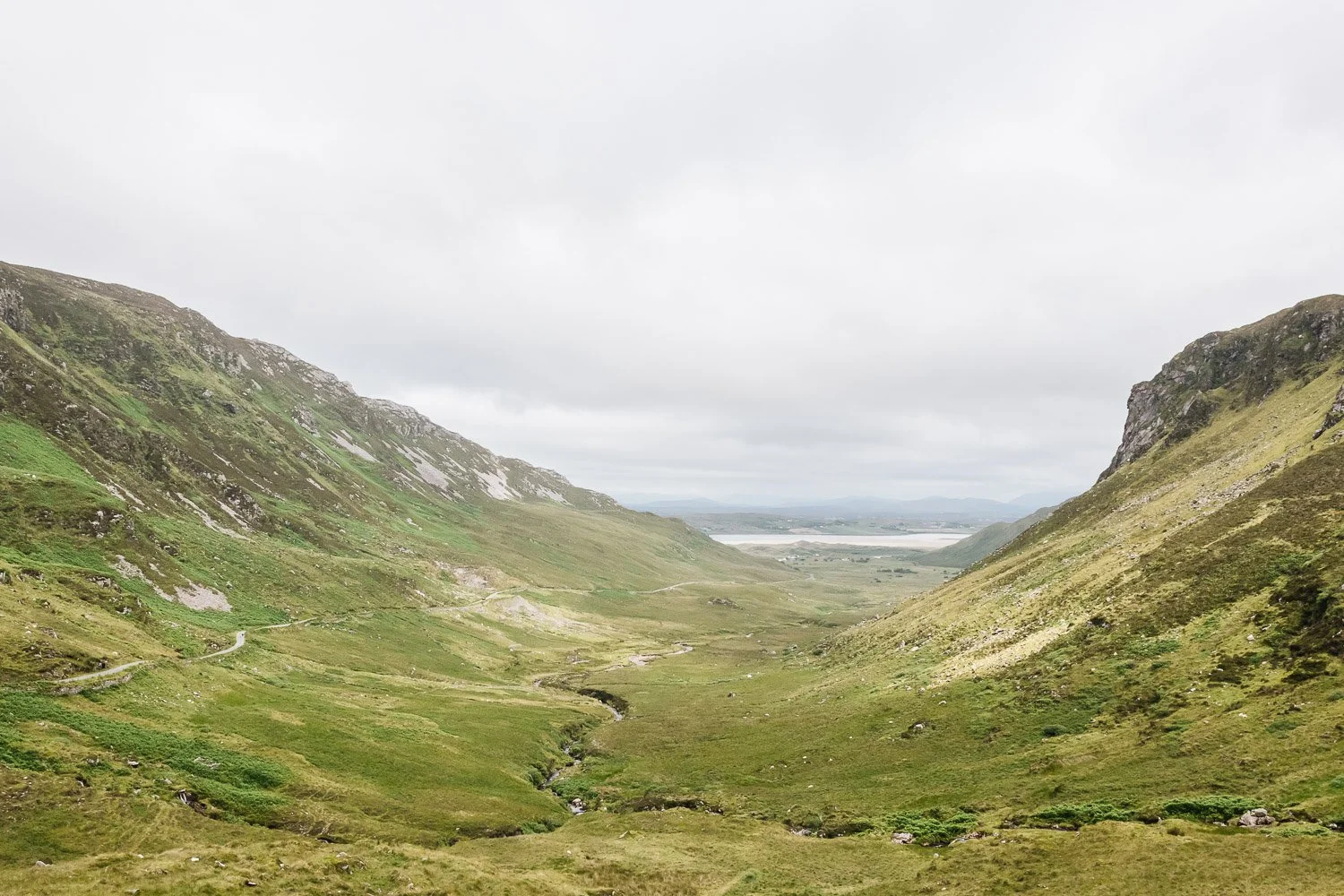
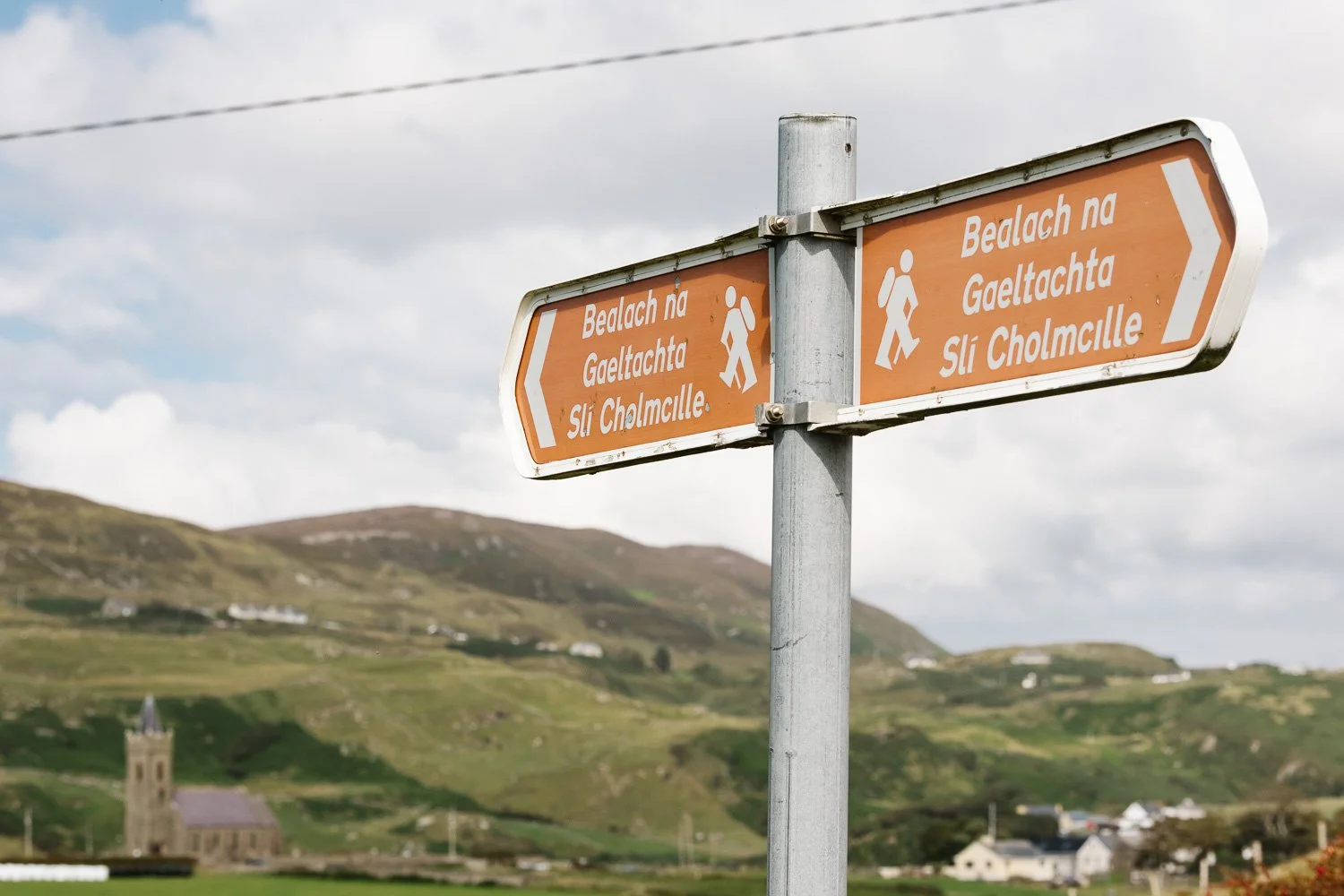
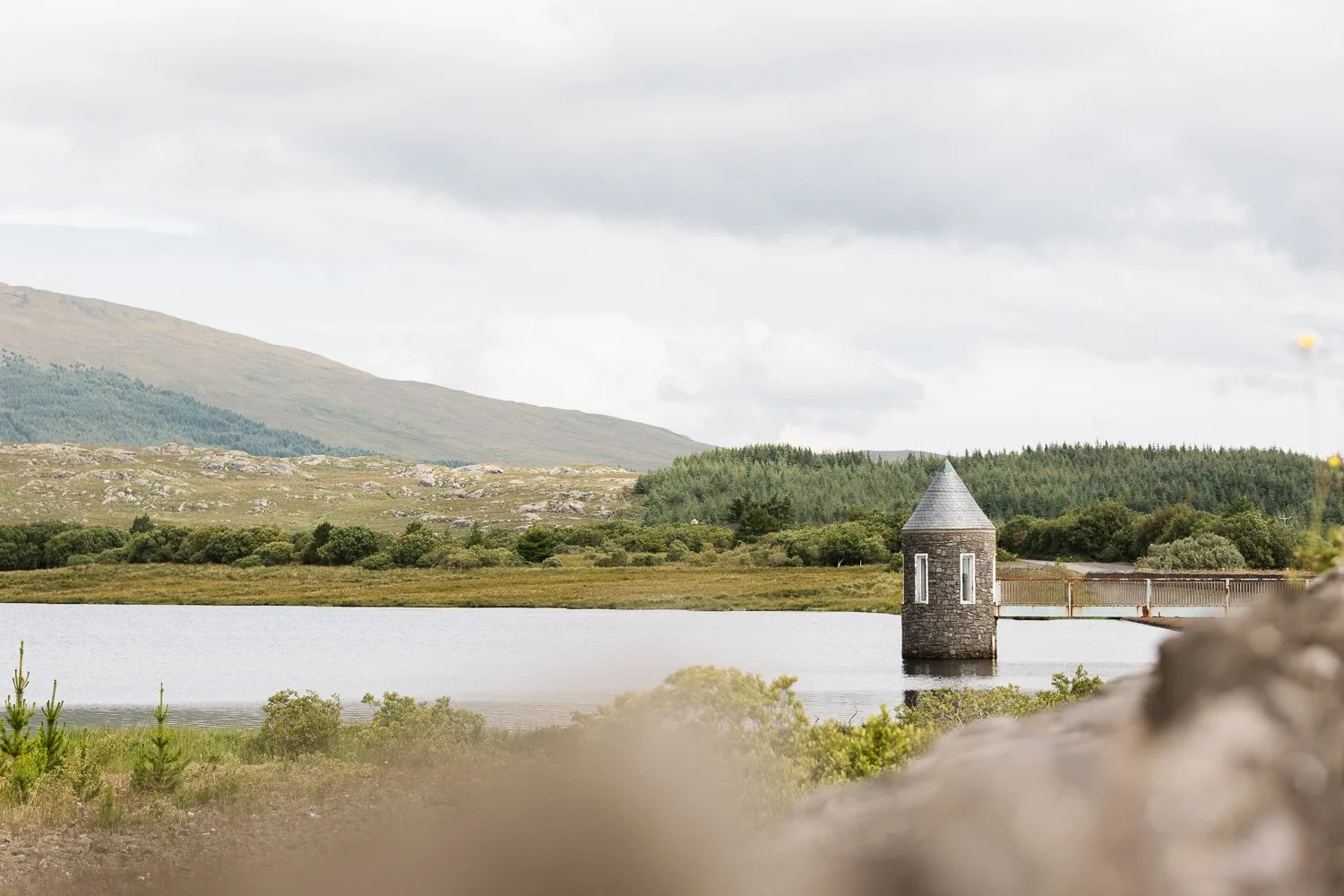
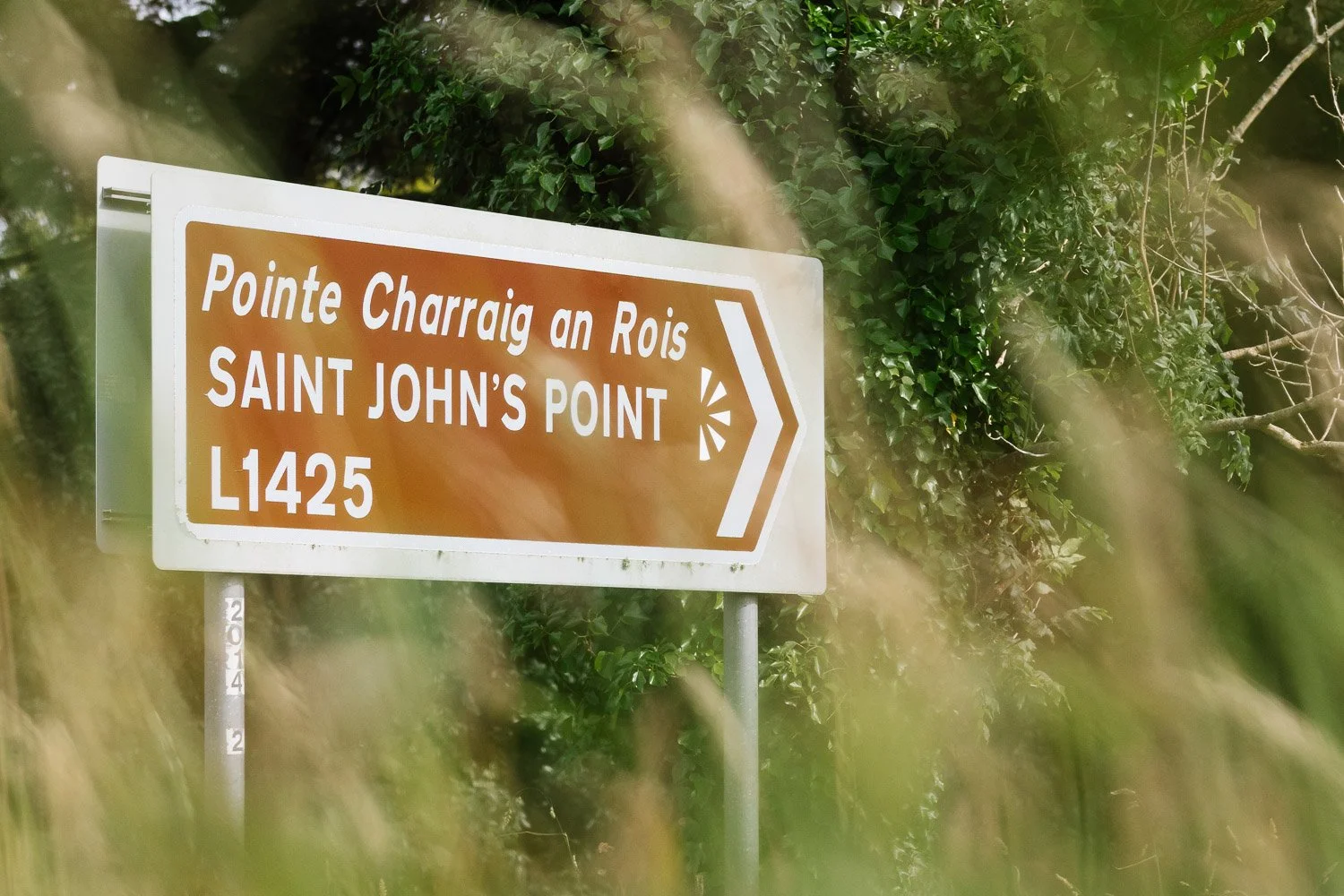
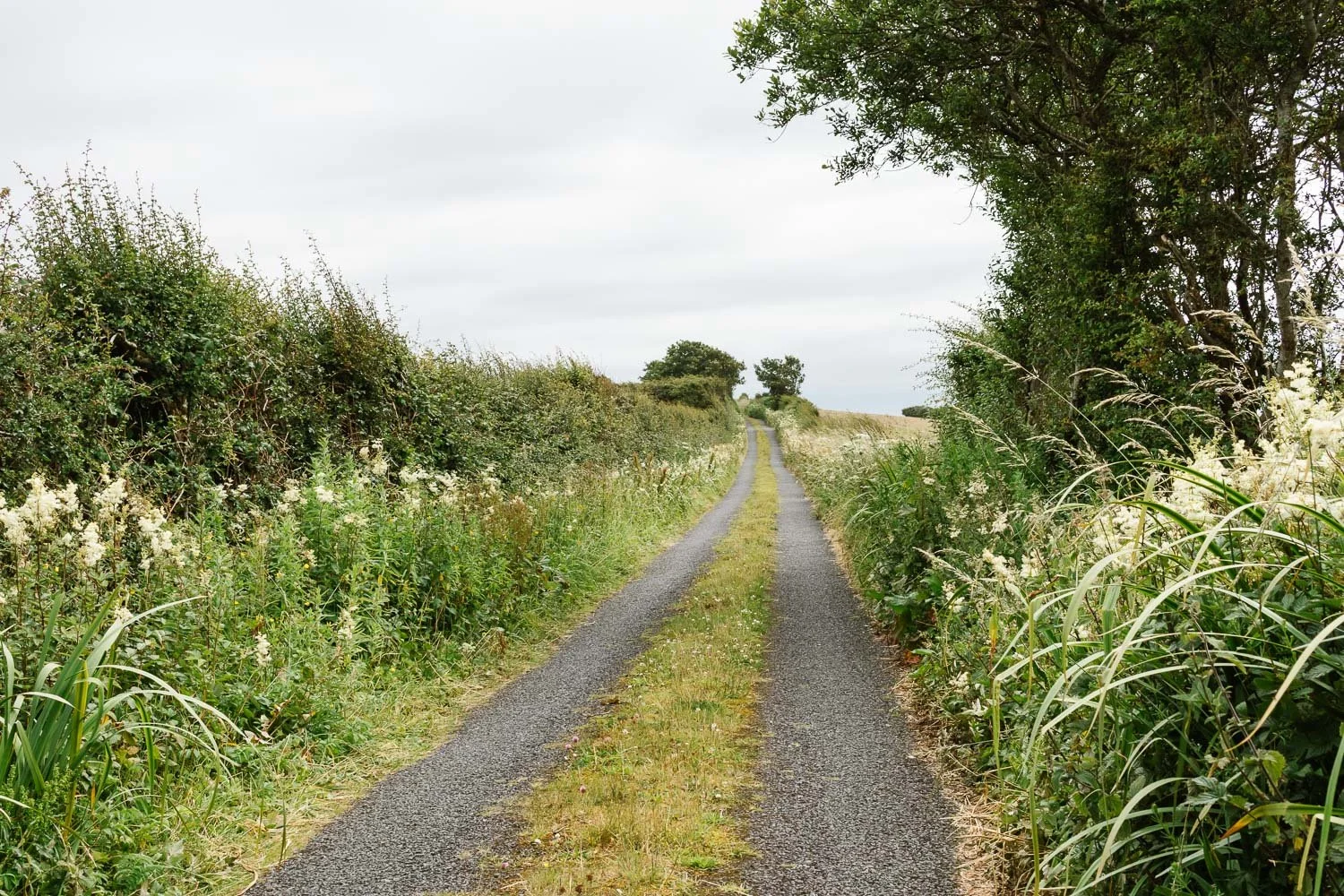
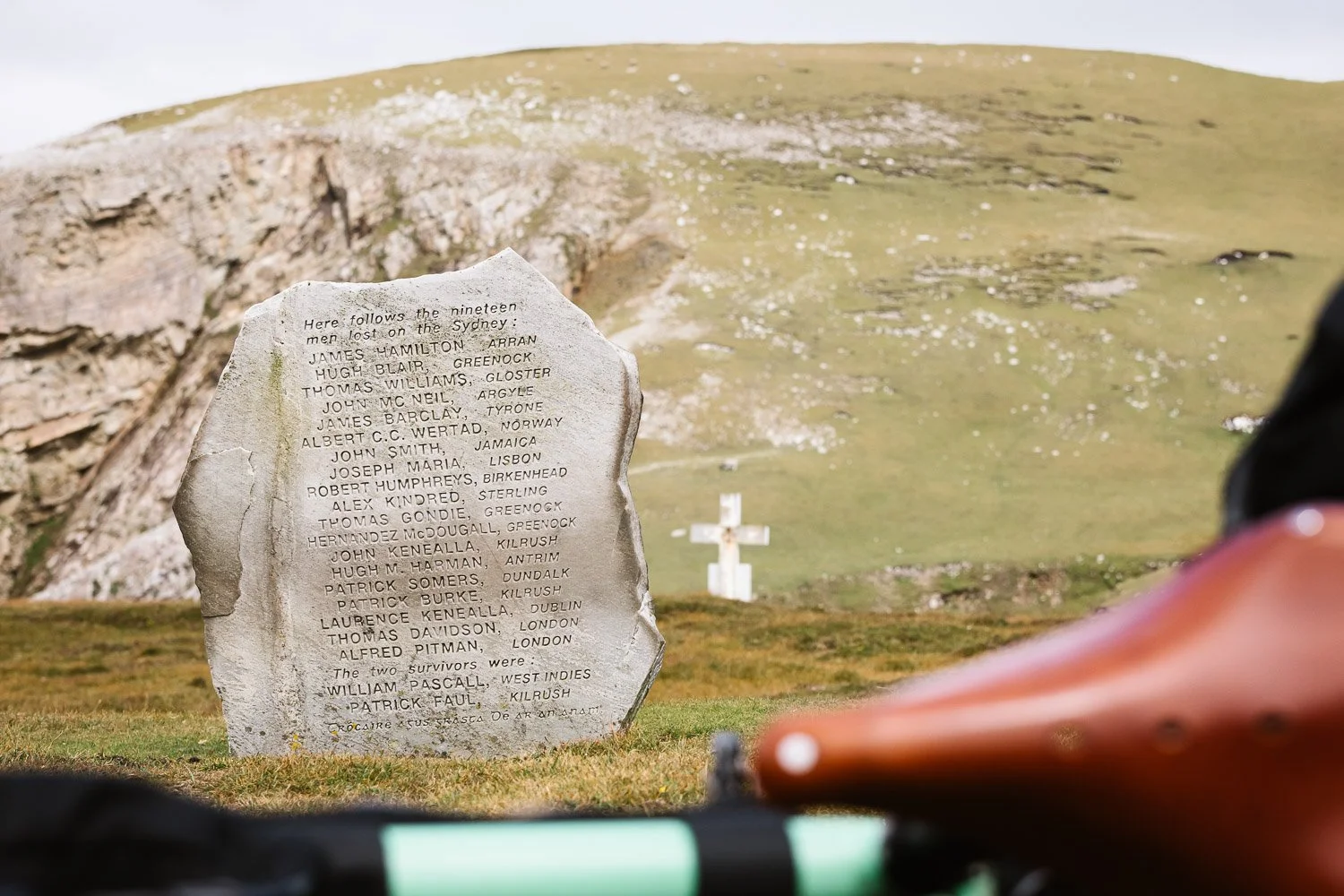
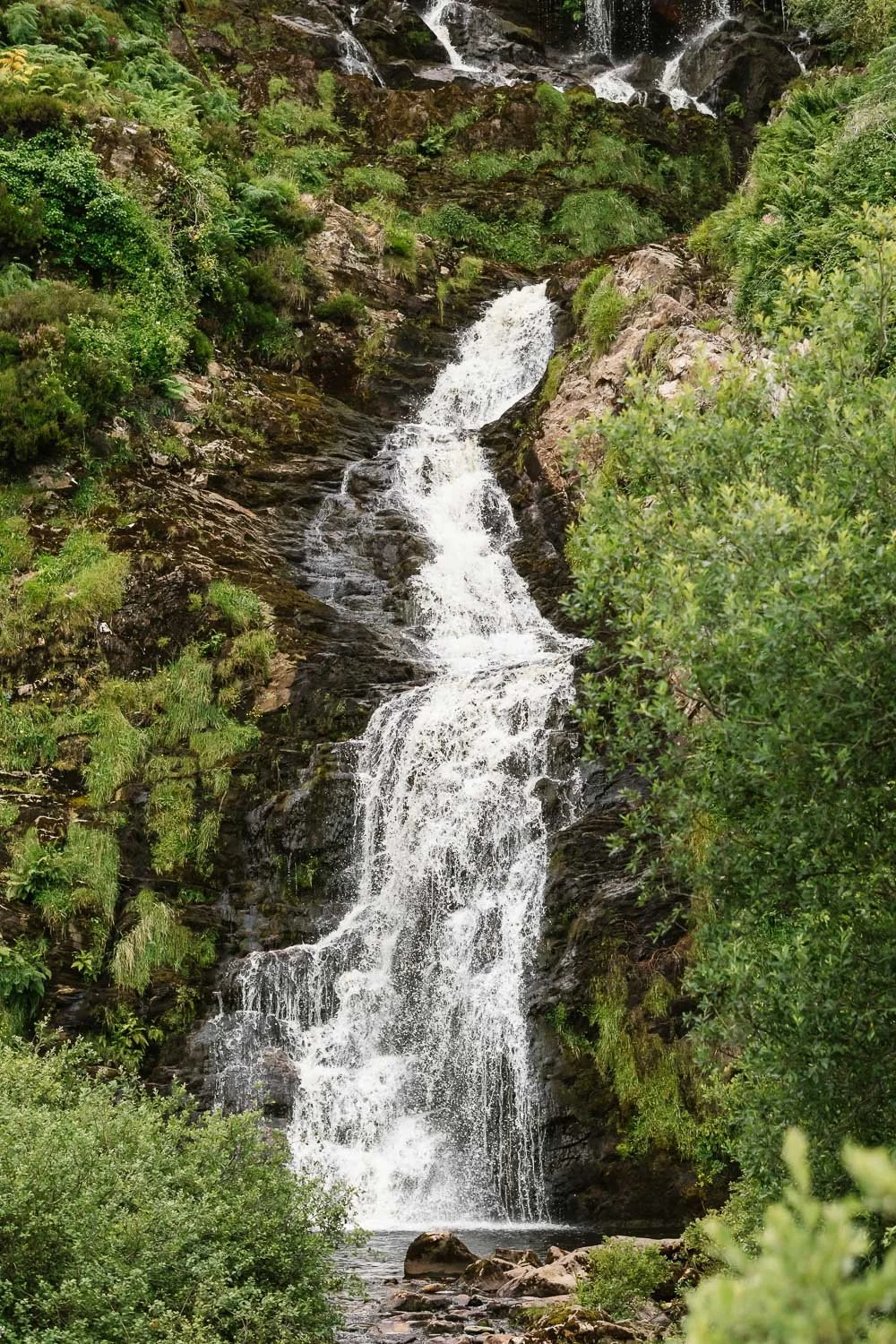
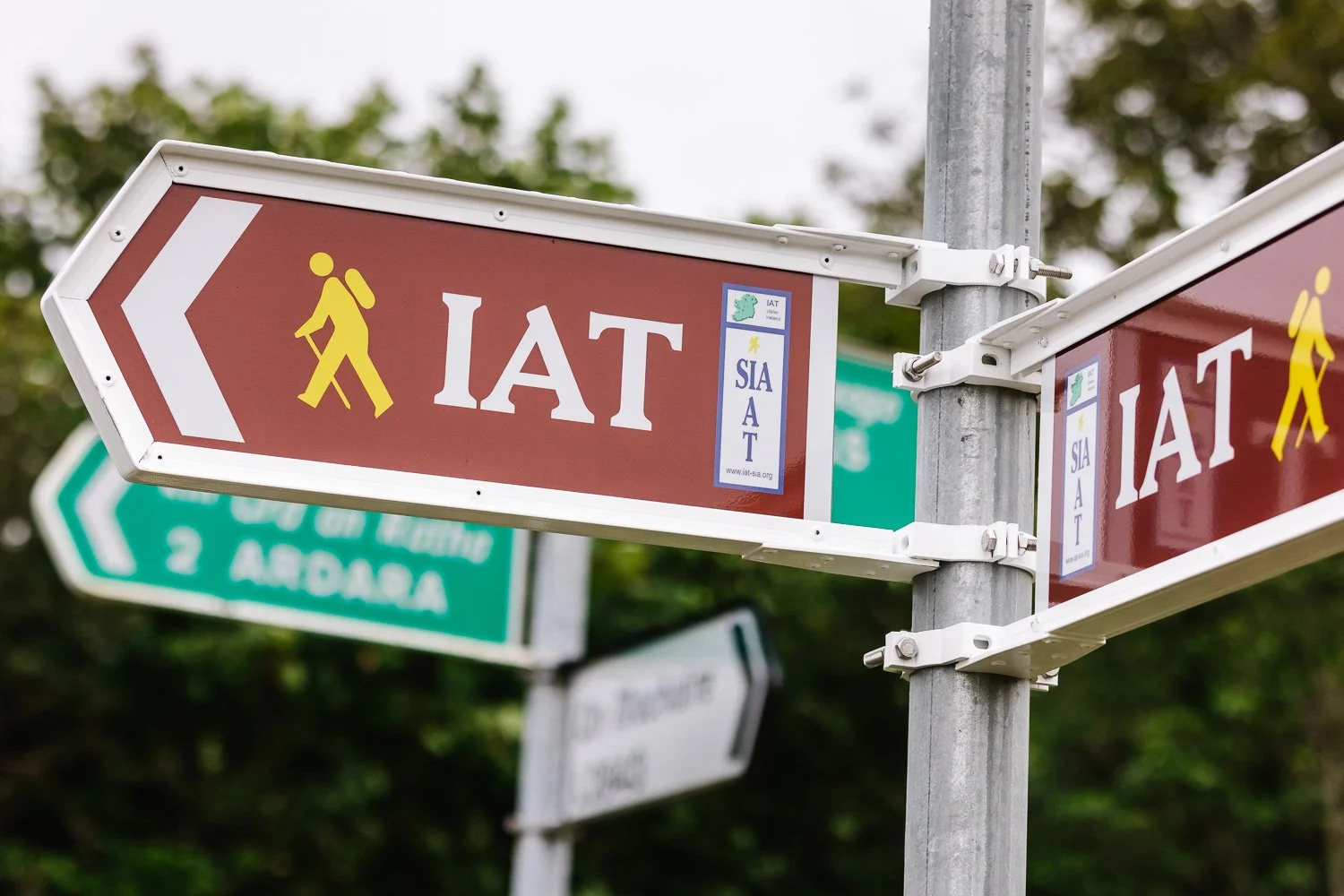
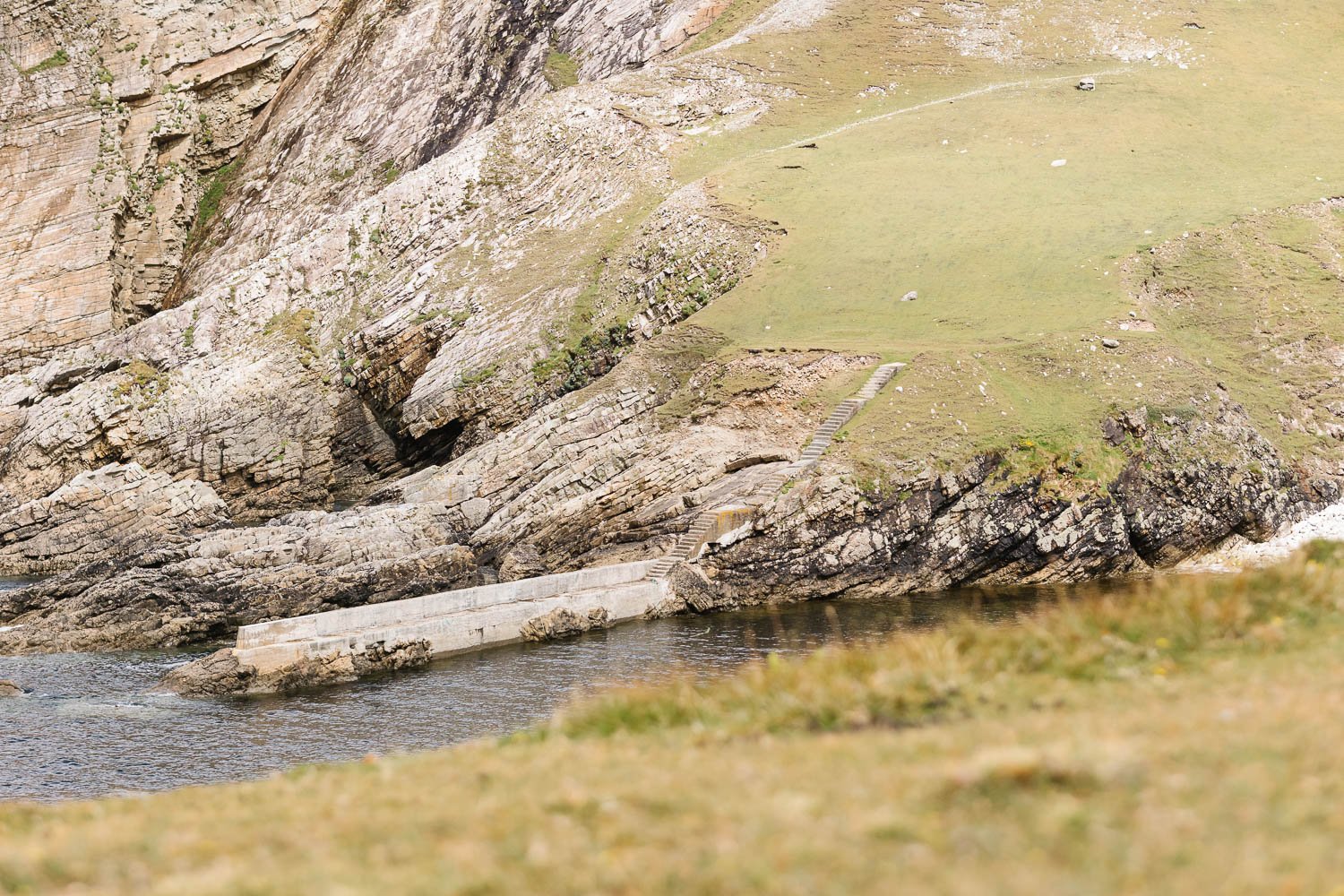
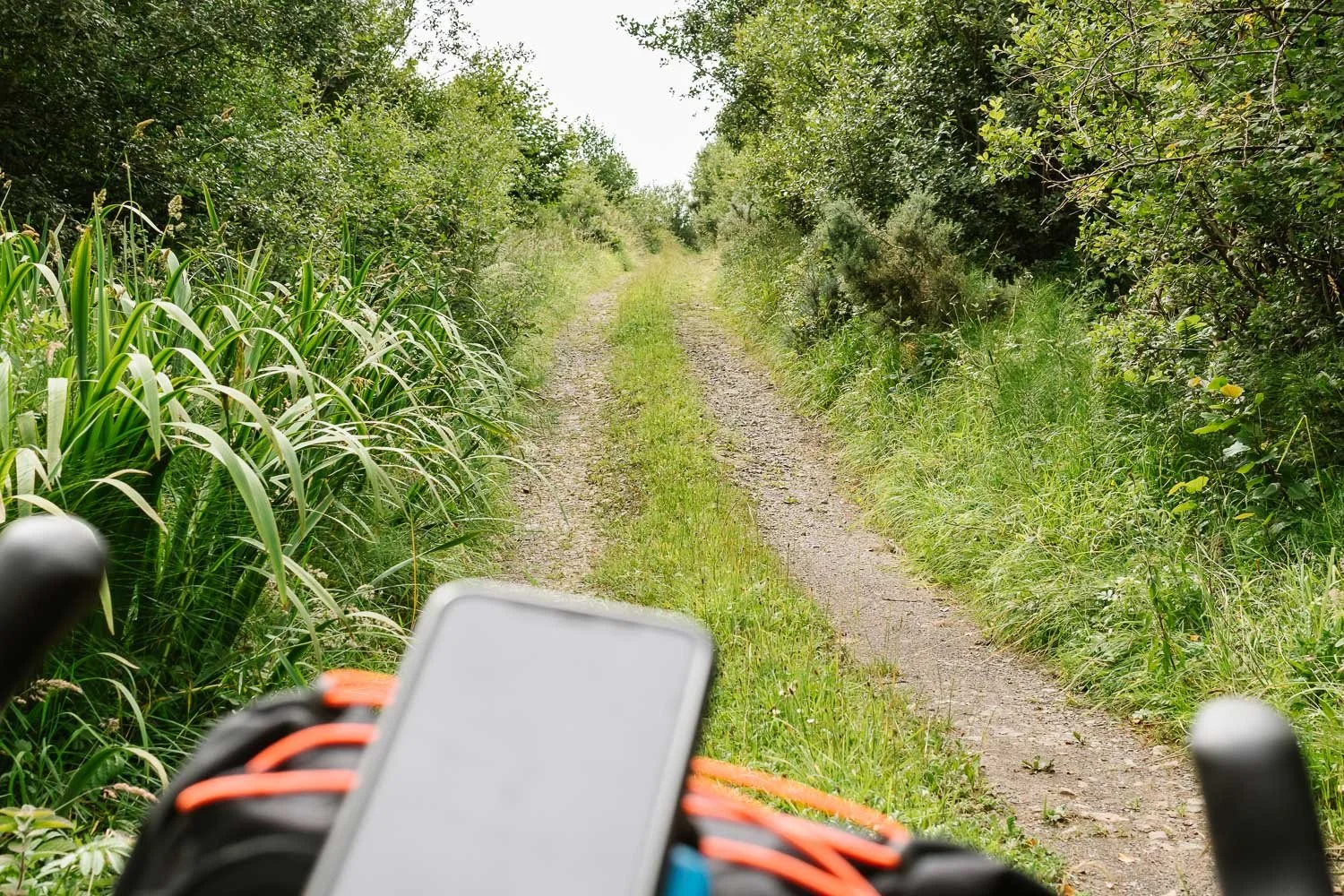
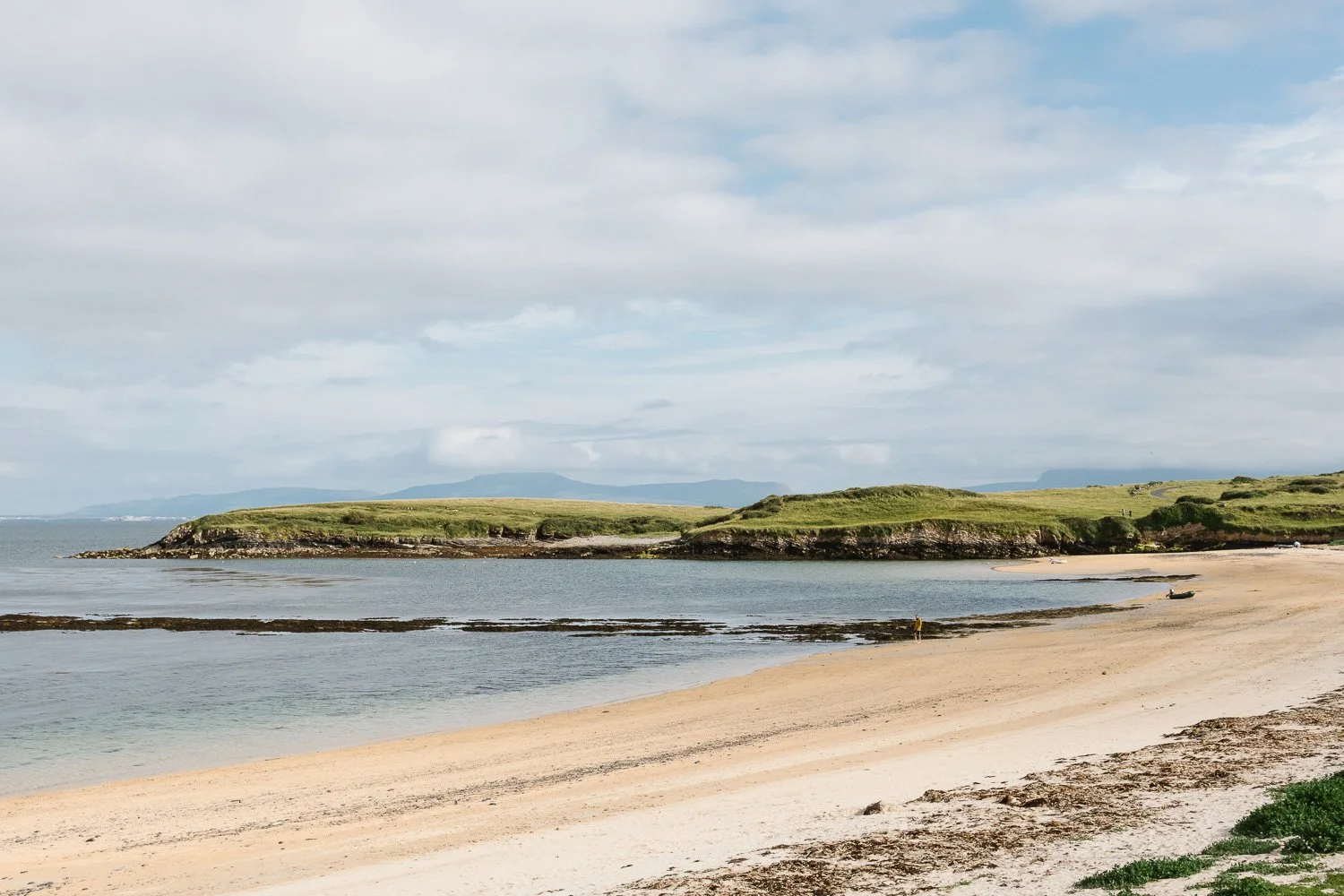
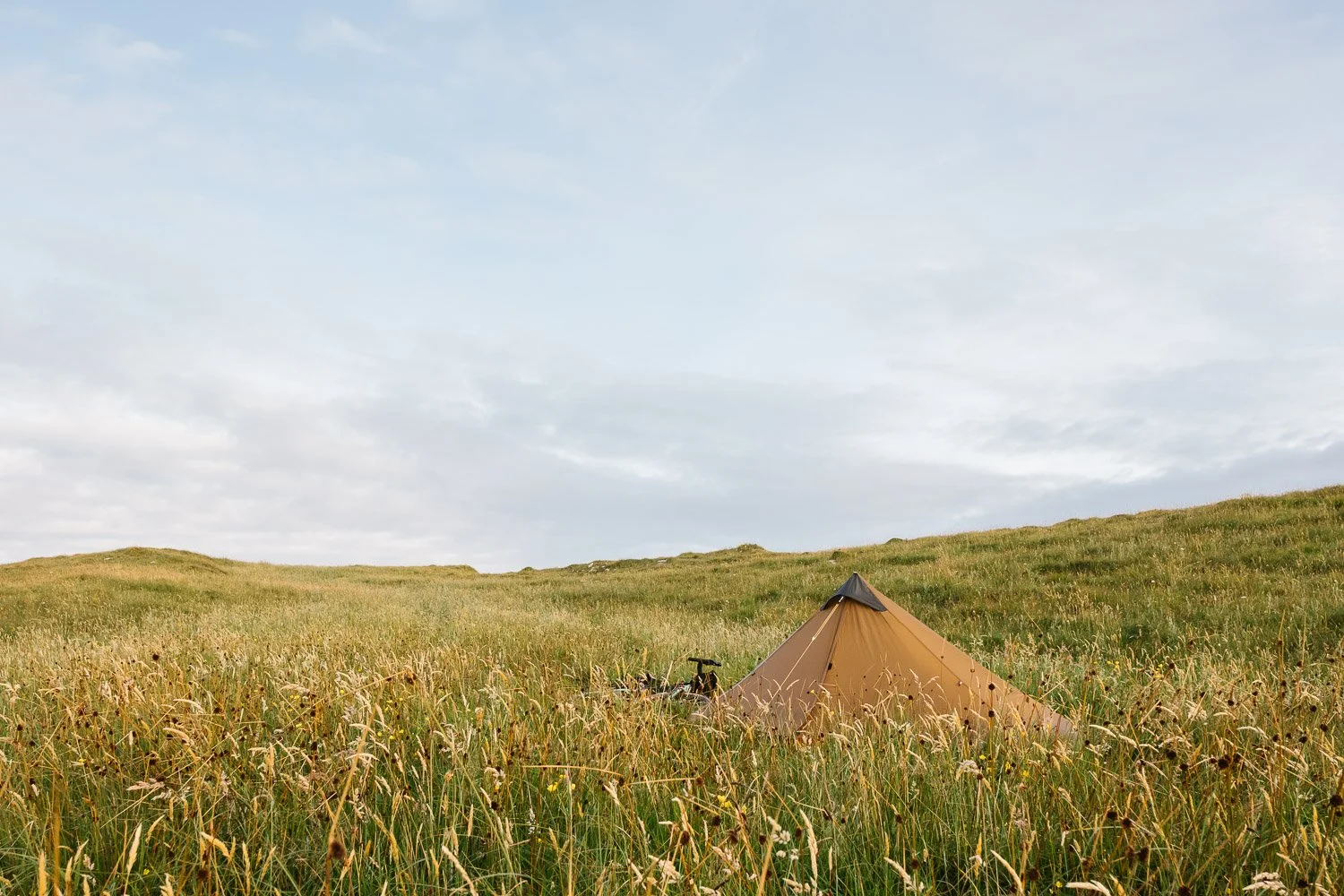
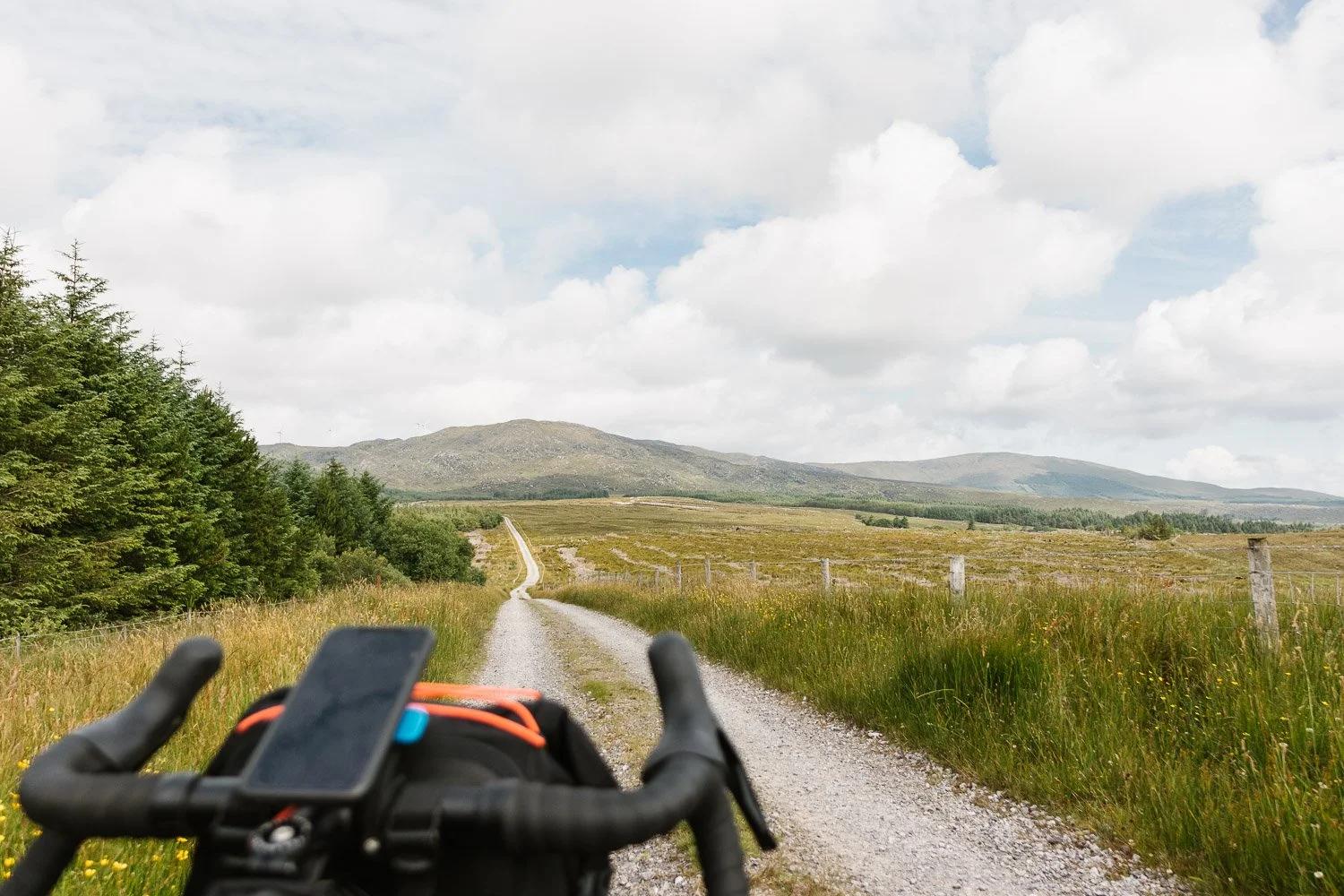
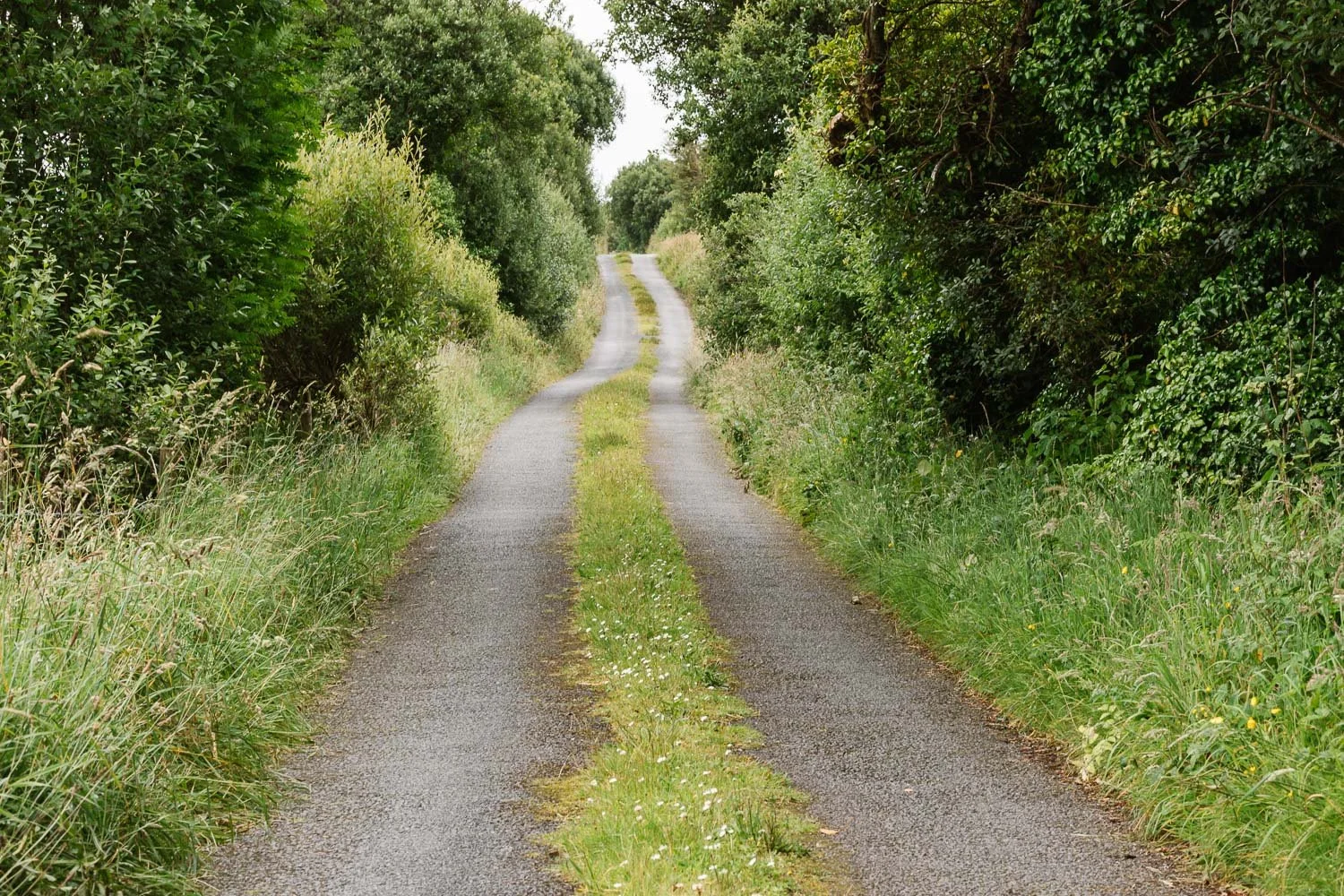
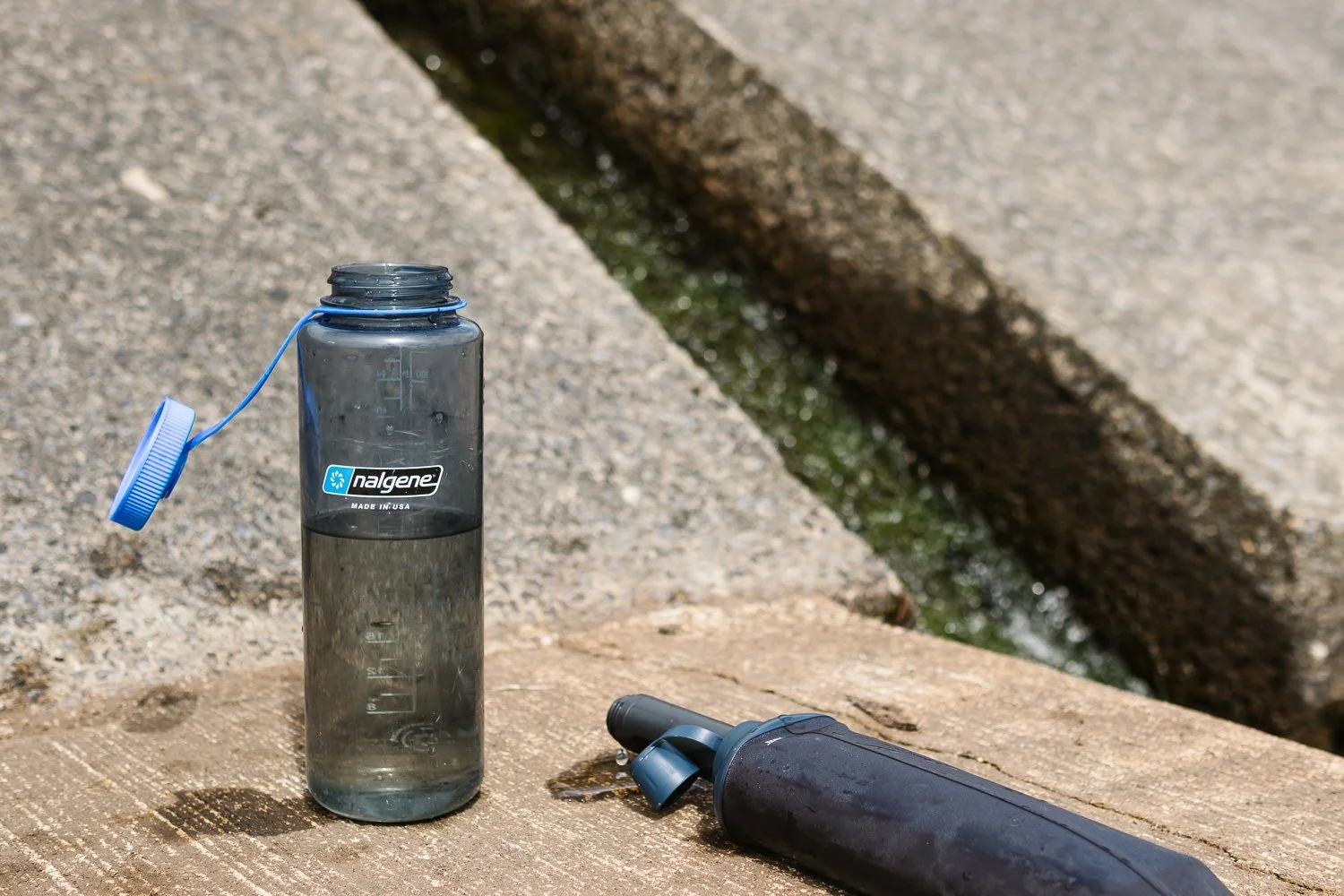
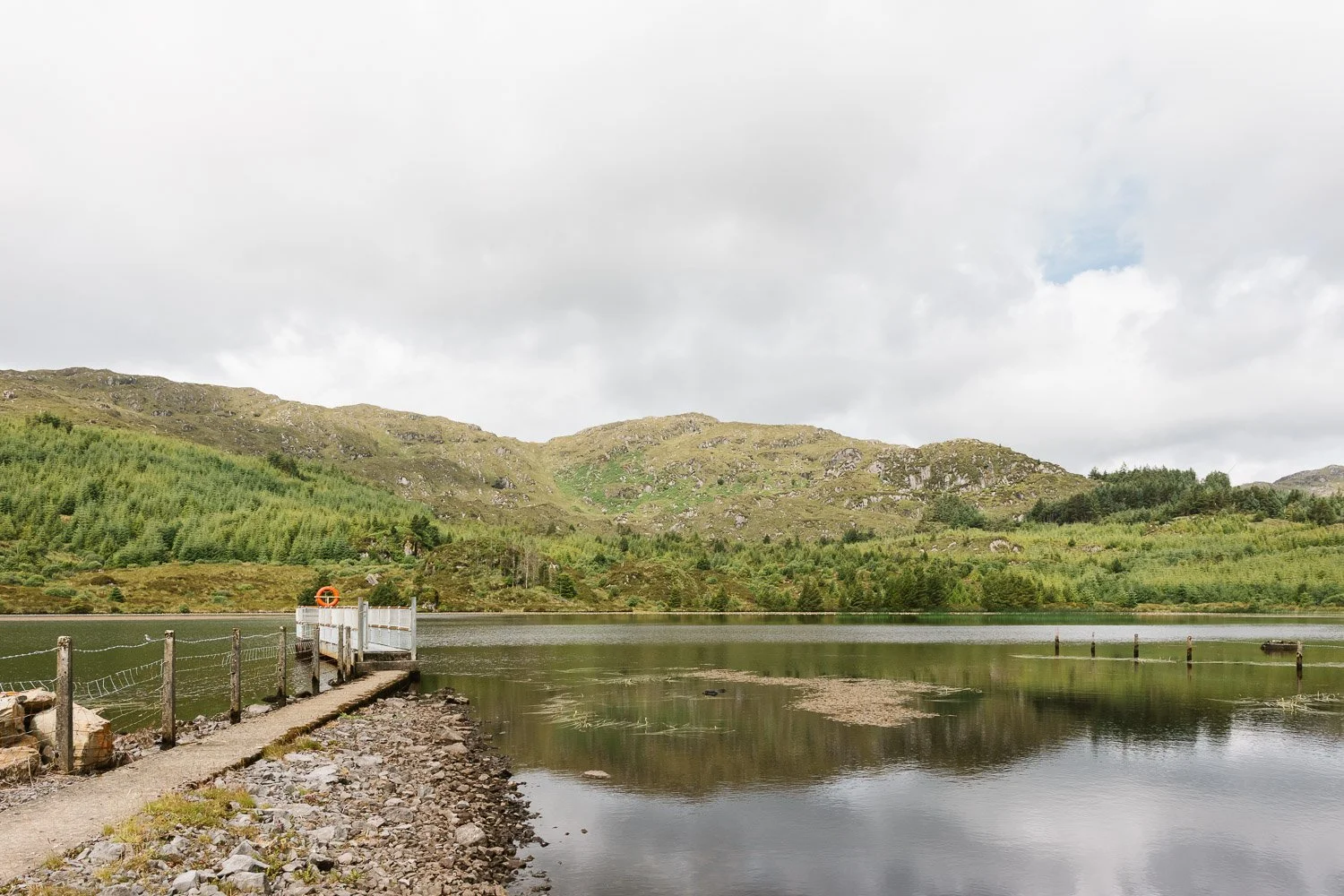
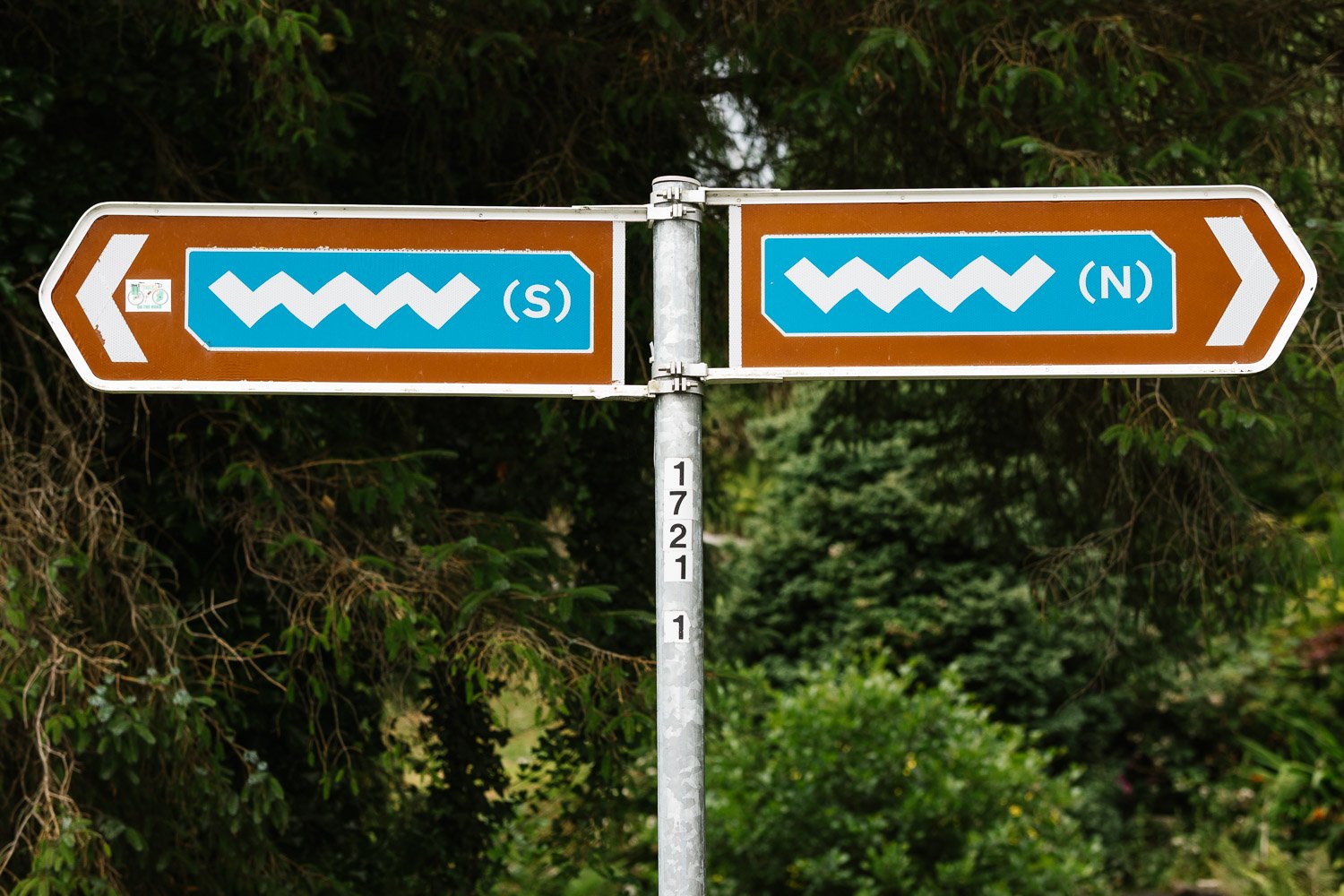
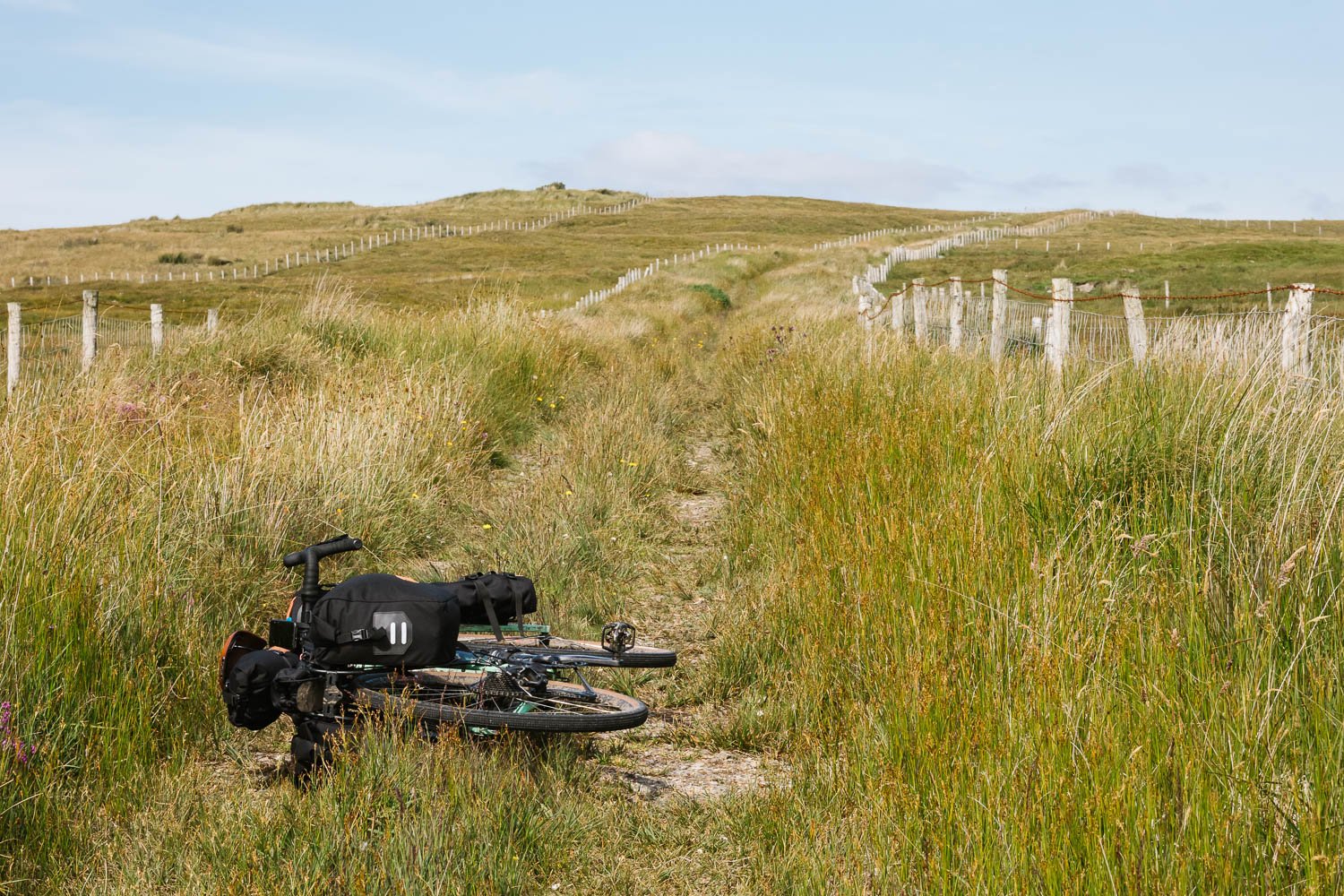
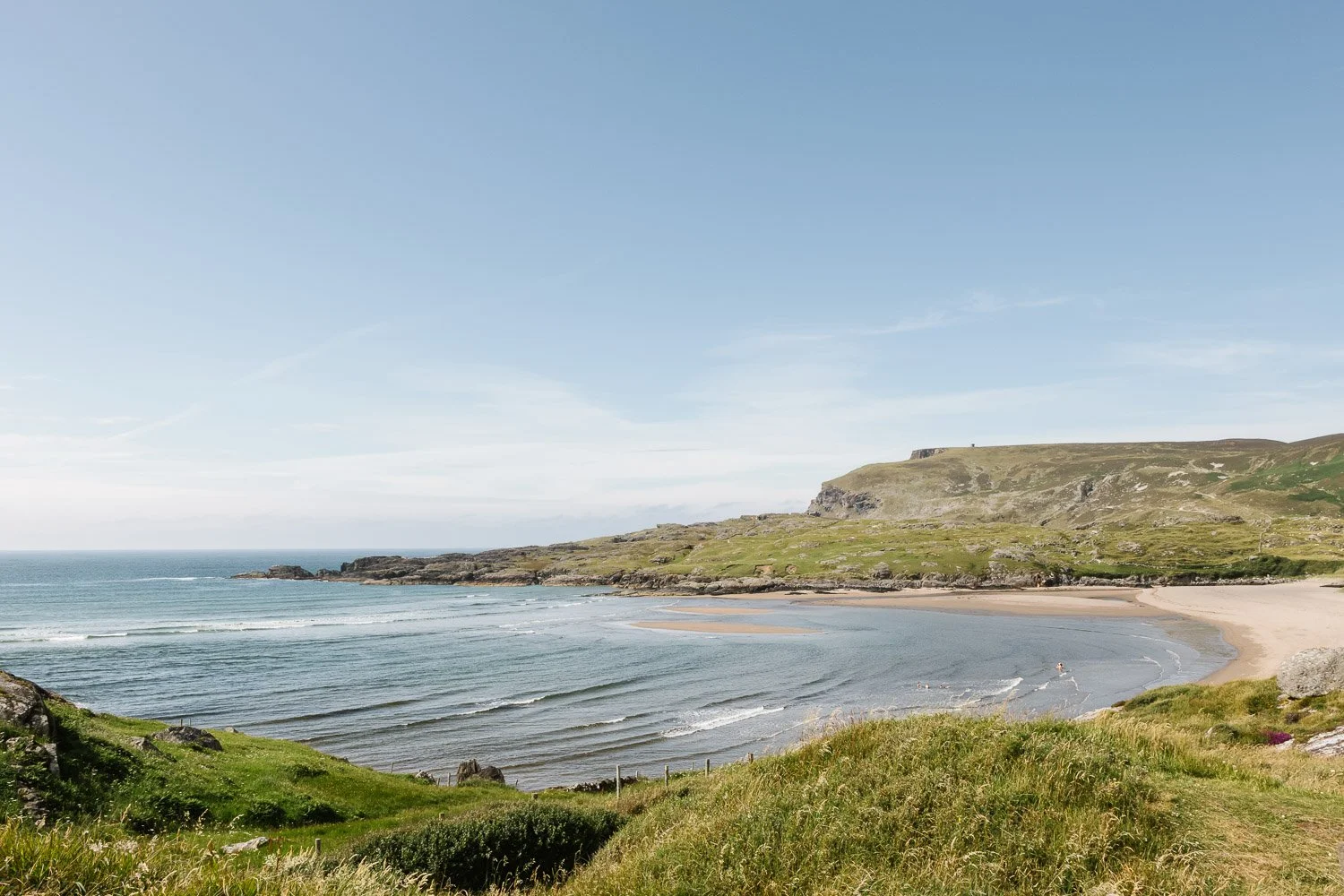
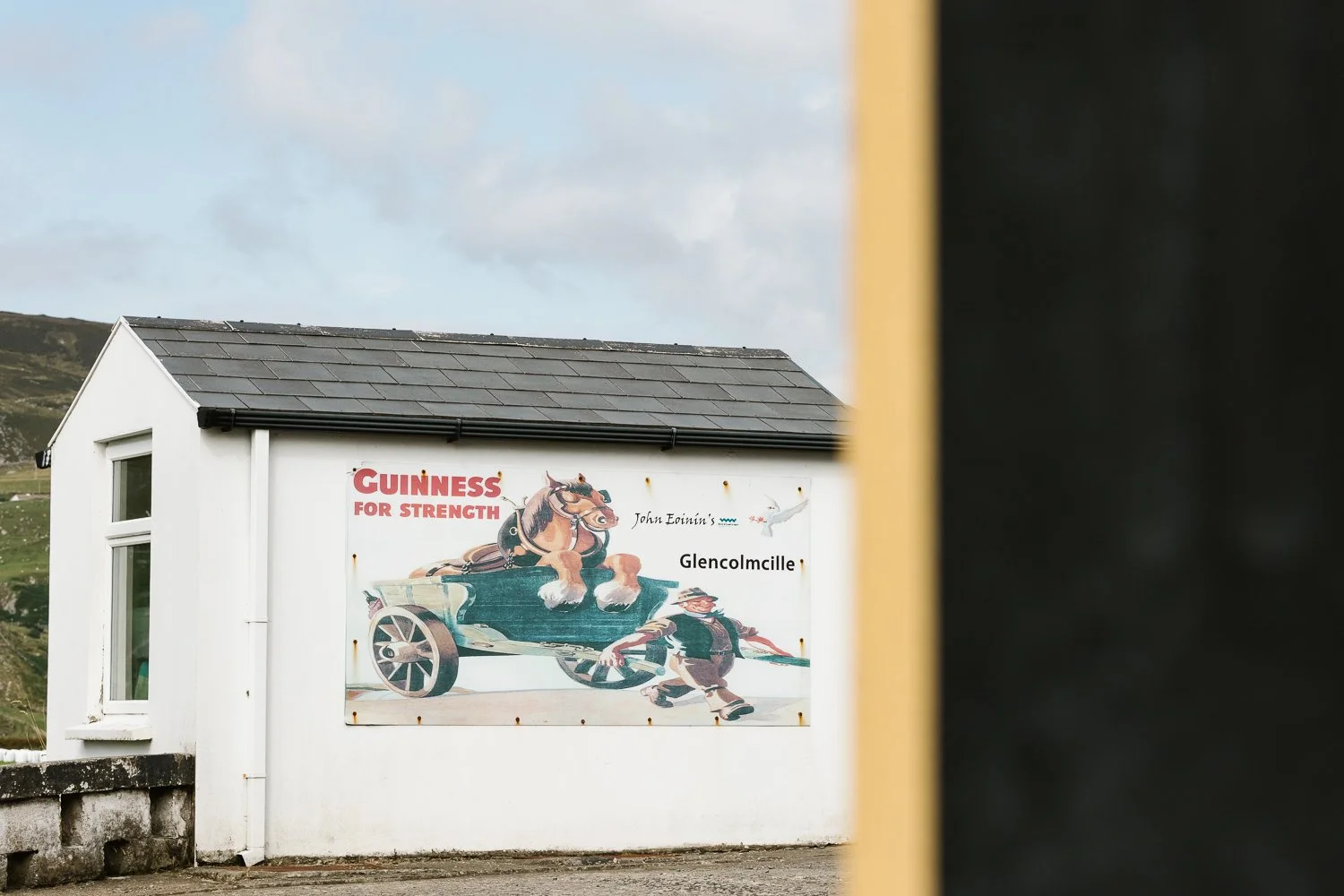
The route begins and ends in the village of Glencolmcille on the Wild Atlantic Way and consists mostly of quiet country roads, boreens, and abandoned farm tracks. Some sections follow the International Appalachian Trail Ulster-Ireland. Since it can be rough in places, off-road cycling experience and a minimum tyre width of 45mm are both recommended.
With plenty of easy resupply options, this one makes for an ideal first bikepacking trip or a hassle-free weekend escape.
View the route on Ride With GPS.
Disclaimer: The routes shared on this website are provided for general informational and inspirational purposes only. Conditions, access, terrain, weather and other hazards can change, so you are responsible for conducting your own research and assessing whether a route is suitable for your abilities, equipment and circumstances. If you choose to follow any route, you do so at your own risk and are solely responsible for your own safety and decisions.
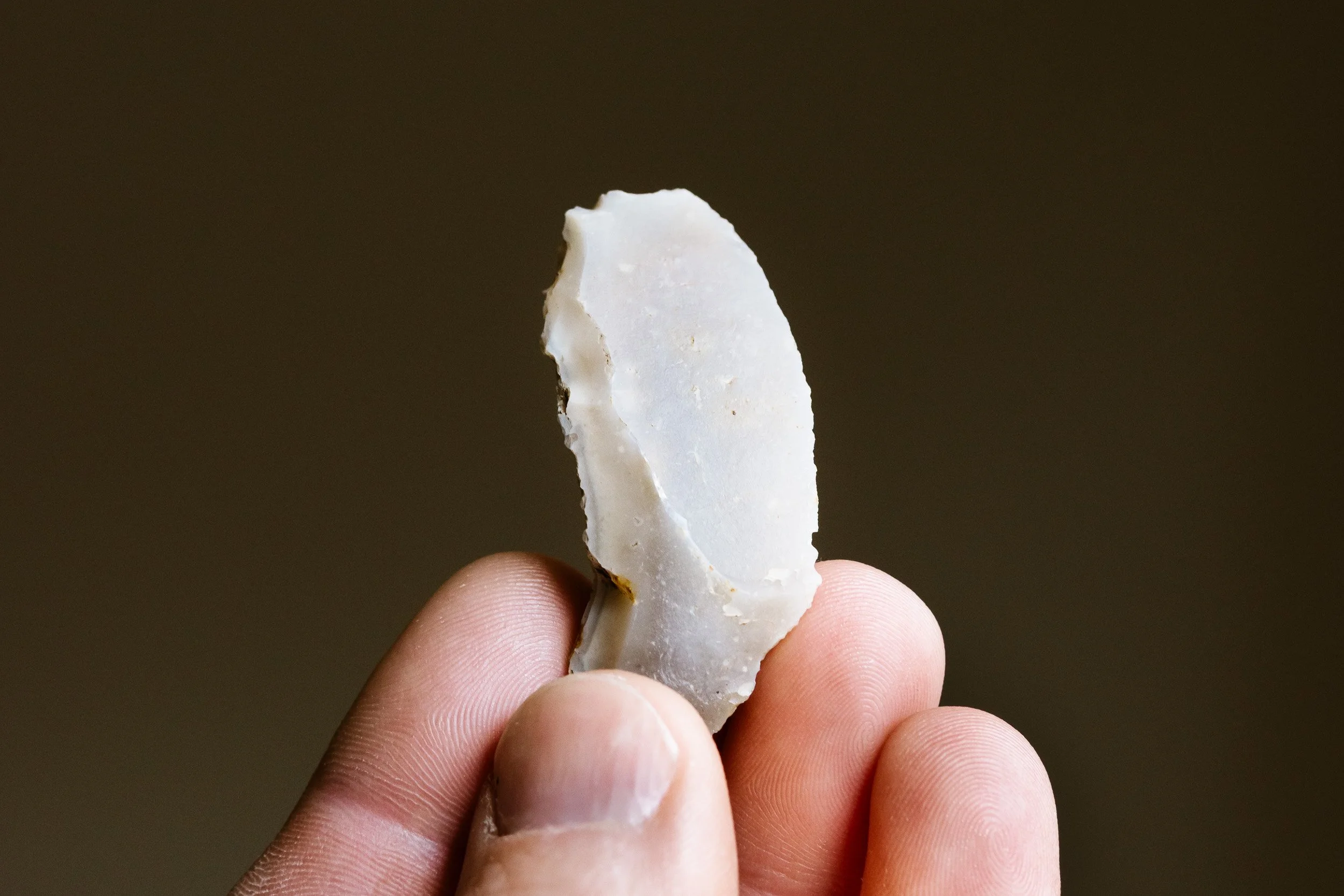
Neolithic Flint Retouched Flake Find
Some 4,500 years ago, one of our distant ancestors—perhaps having just finished skinning an animal—set down this flint tool for the very last time. And there the tool remained, largely undisturbed for millennia, until last Tuesday when I was digging in the back garden.
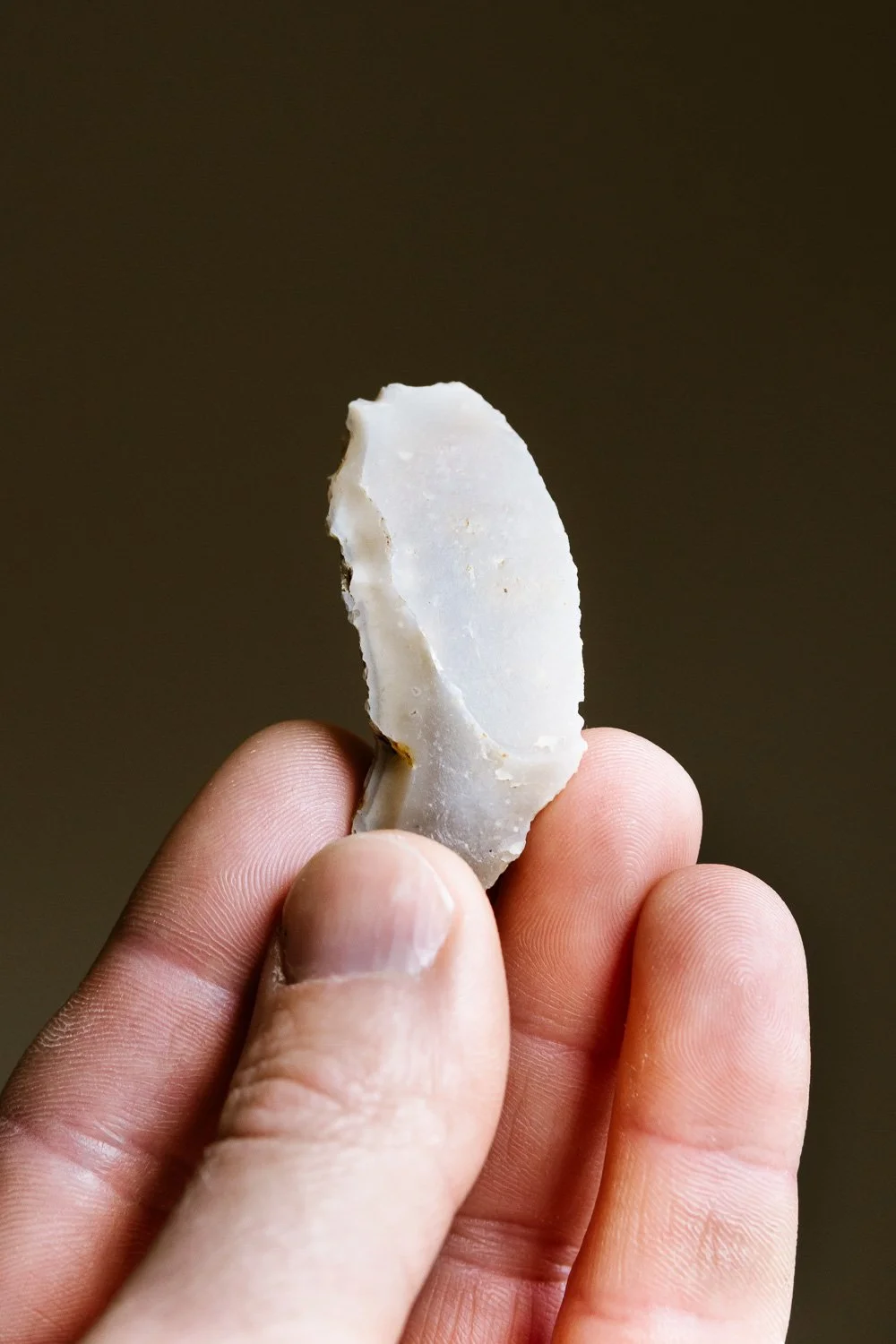
Irish Neolithic retouched flake found in County Antrim
Confirmed as Late Neolithic or possibly Early Bronze Age by an archaeologist over the weekend, its presence in our garden ties it to two prehistoric settlements that were discovered in the mid-2000s, both within 200m of our house. Those excavations yielded substantial finds dating back almost 6,000 years, including a rare prehistoric road, a potential Early Neolithic house and an abundance of flint and pottery.
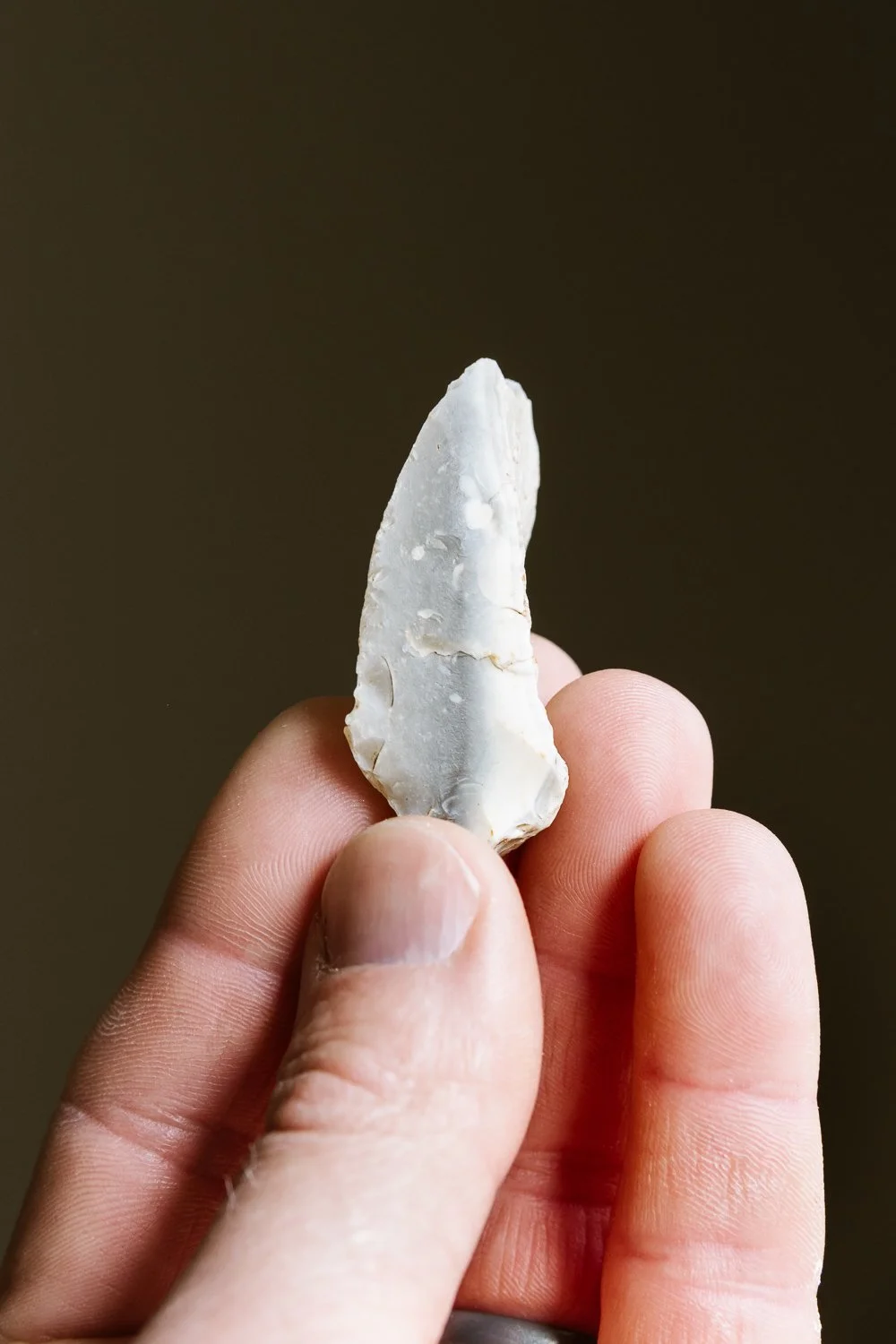
Visible knapping on this Irish Neolithic retouched flake
Known as a “retouched flake”, it would have been made from the waste material (debitage) of other tools and put to use when processing animals or possibly carving wood. It is, by quite some margin, the coolest object I have ever found.
To think of the last human hand to touch it before mine gives me goosebumps—a very real piece of Irish history, found right here in our garden.
Mind-blowing, really.
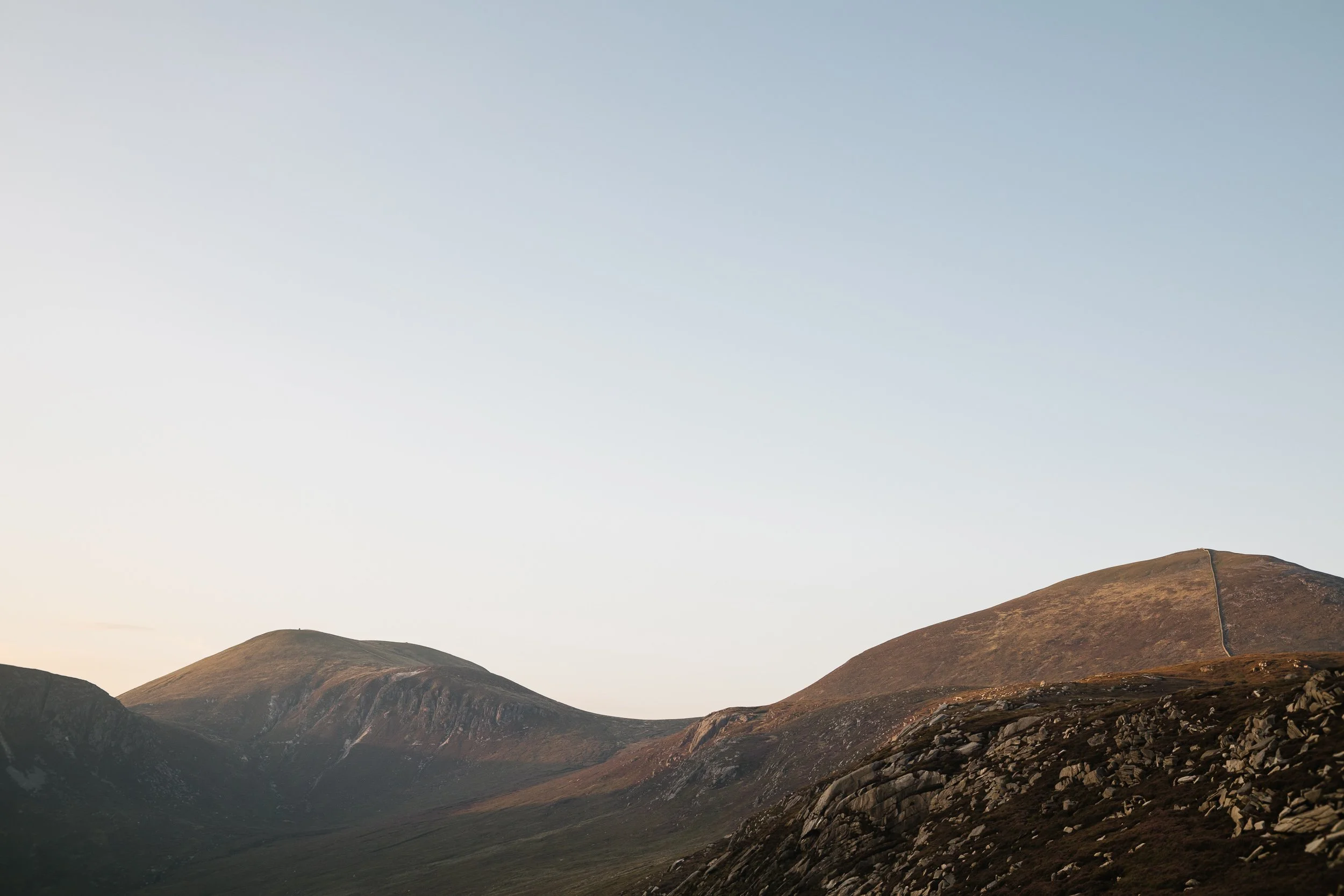
Hare’s Castle Camp
Hare’s Castle in the Mourne Mountains is a secluded rocky knoll offering commanding views over Annalong Valley.
It’s an easy hike from both Carrick Little and Dunnywater car parks and a great option for those wishing to avoid the crowds on the more popular routes in the area.
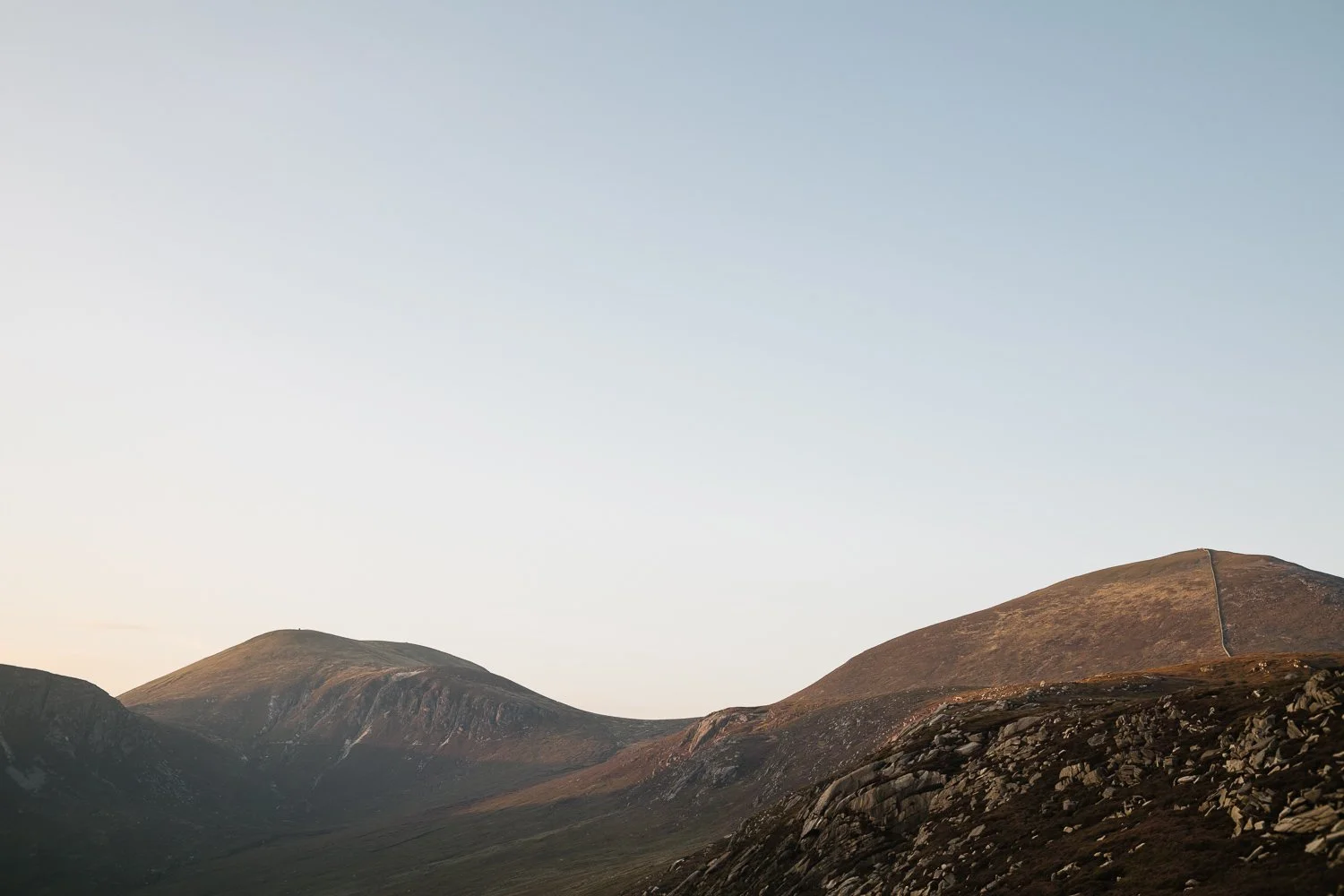
We shall not cease from exploration
And the end of all our exploring
Will be to arrive where we started
And know the place for the first time.
T.S. Eliot
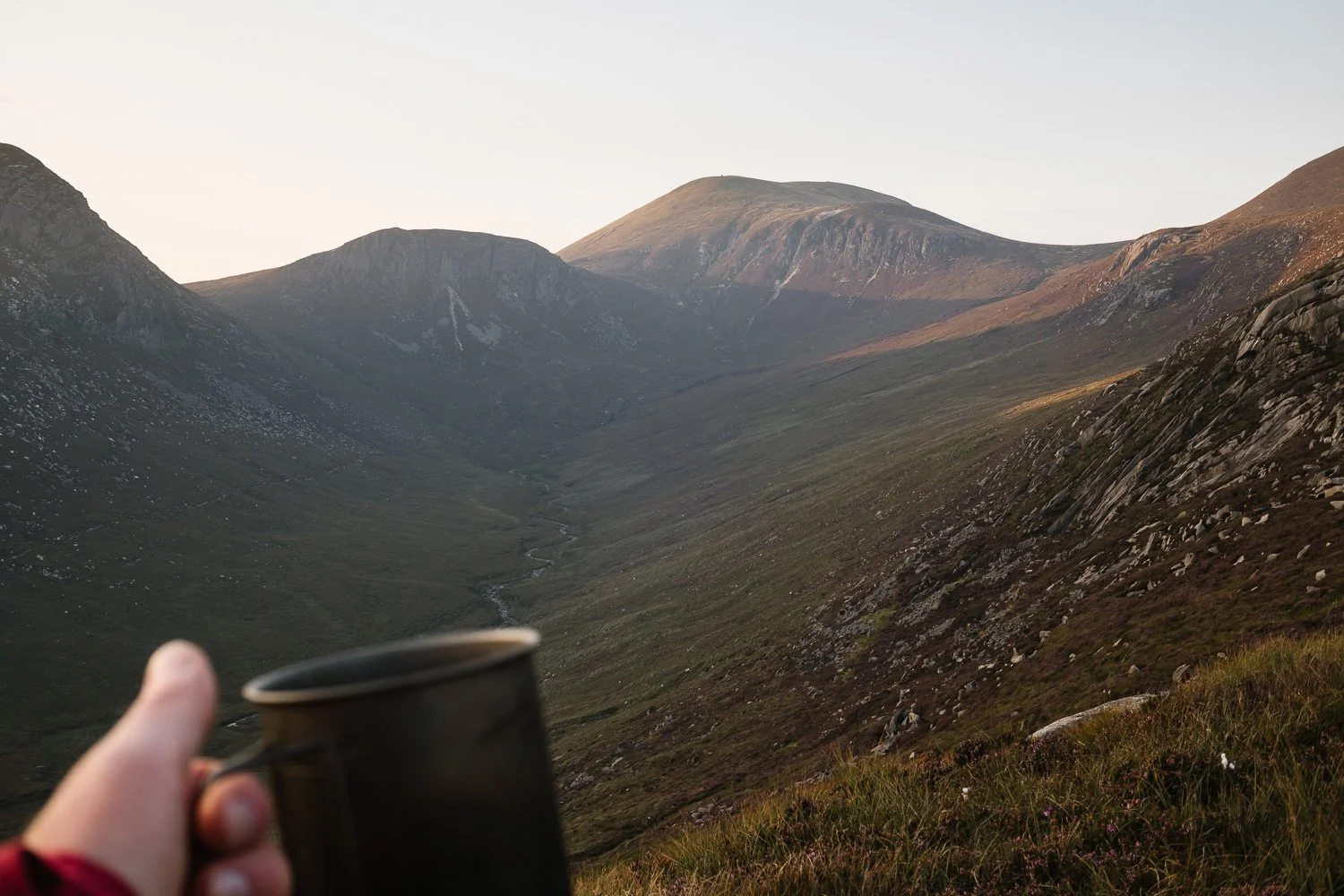
We tend to be creatures of habit—always following the well-worn trails, climbing the familiar mountains.
But when we break from these routines and step off the beaten paths, we often find the best experiences. The kind that leave lasting impressions.
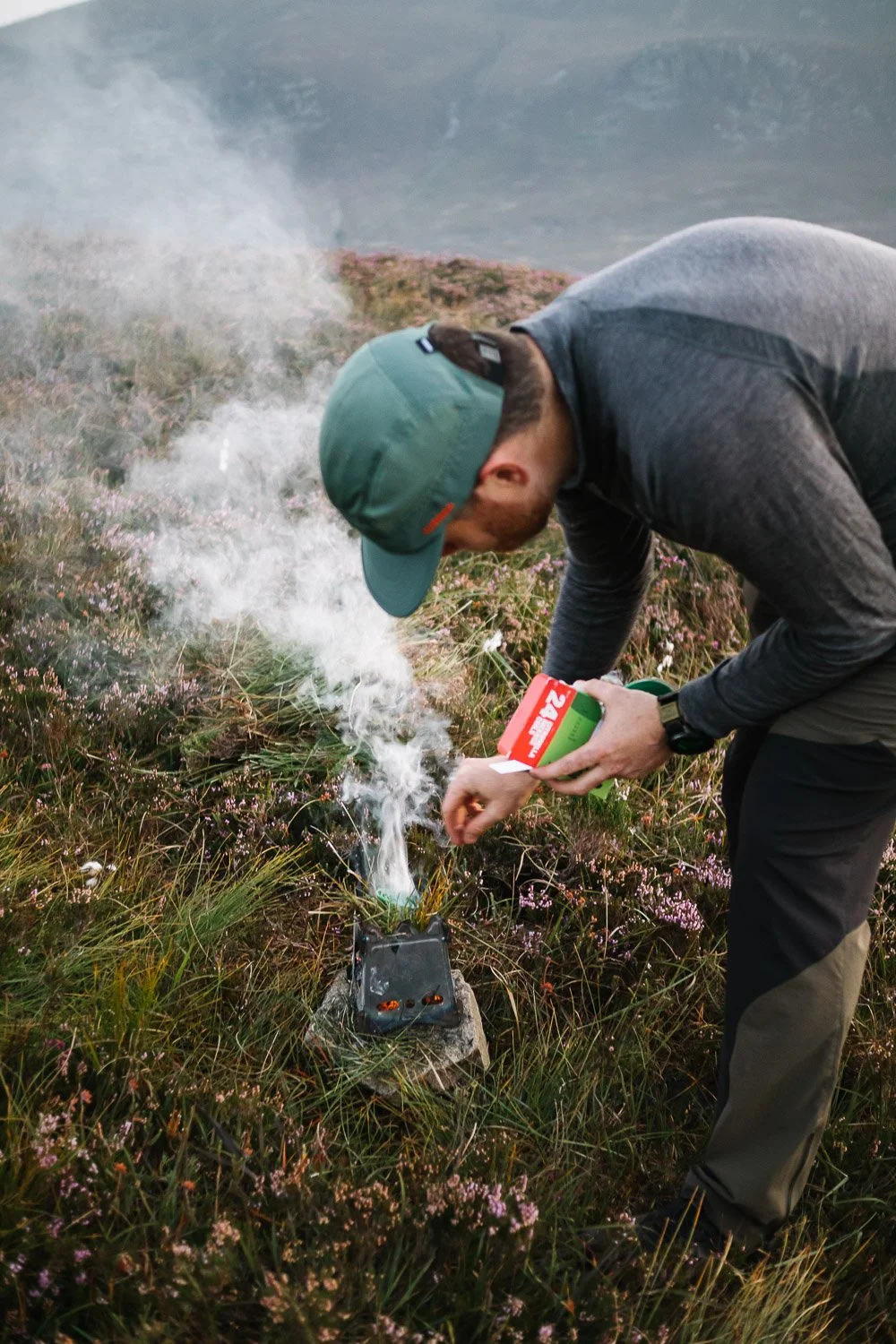
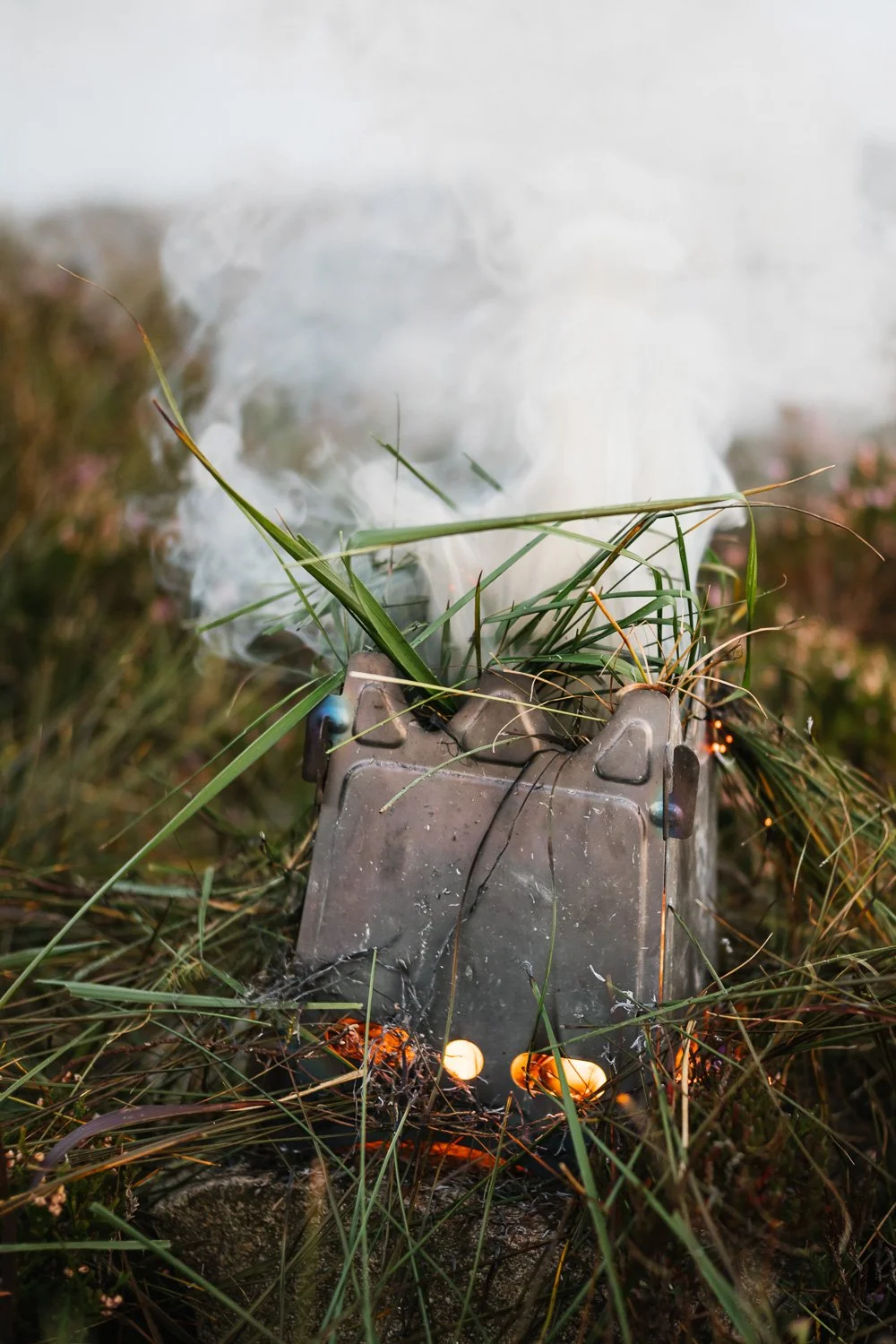
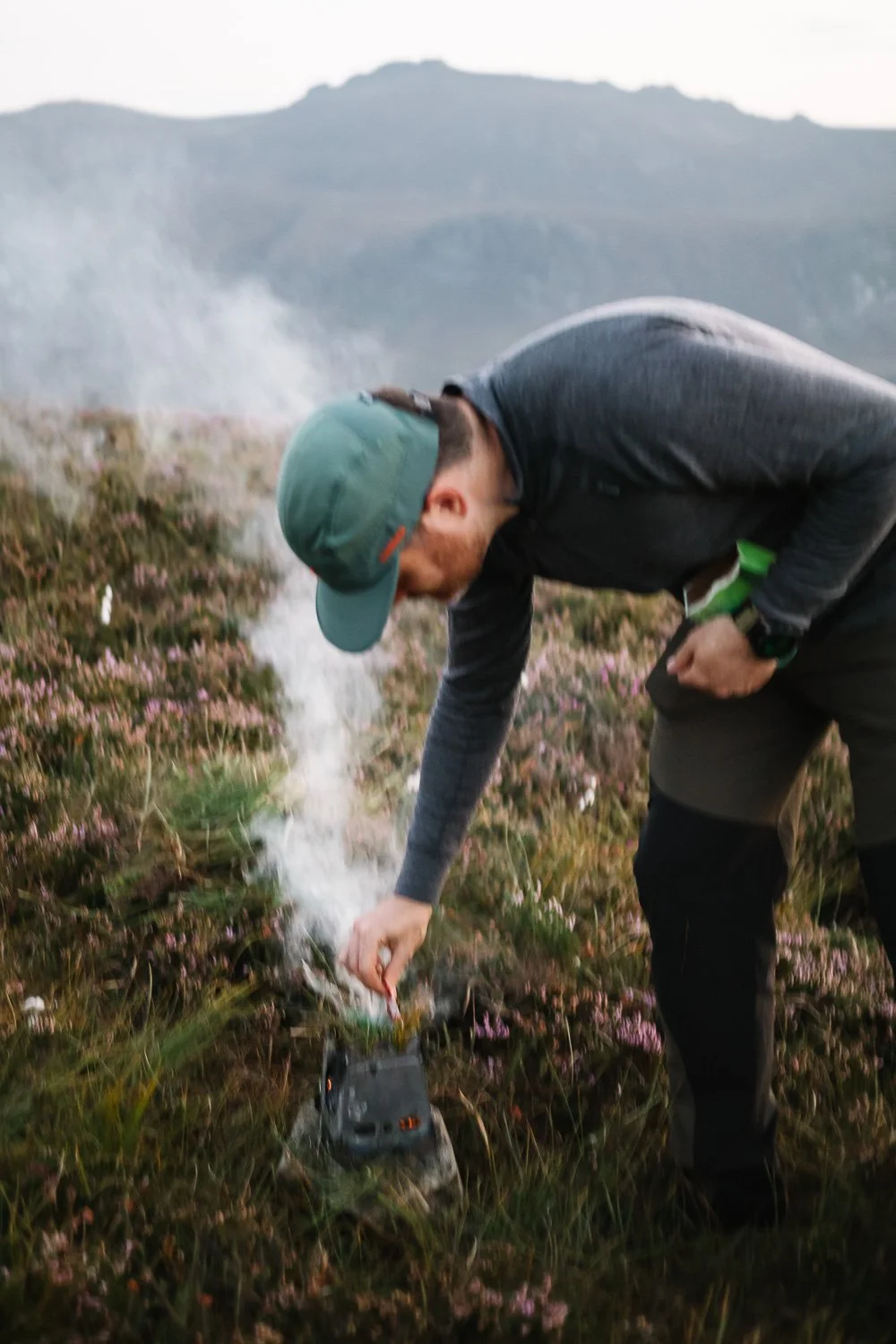
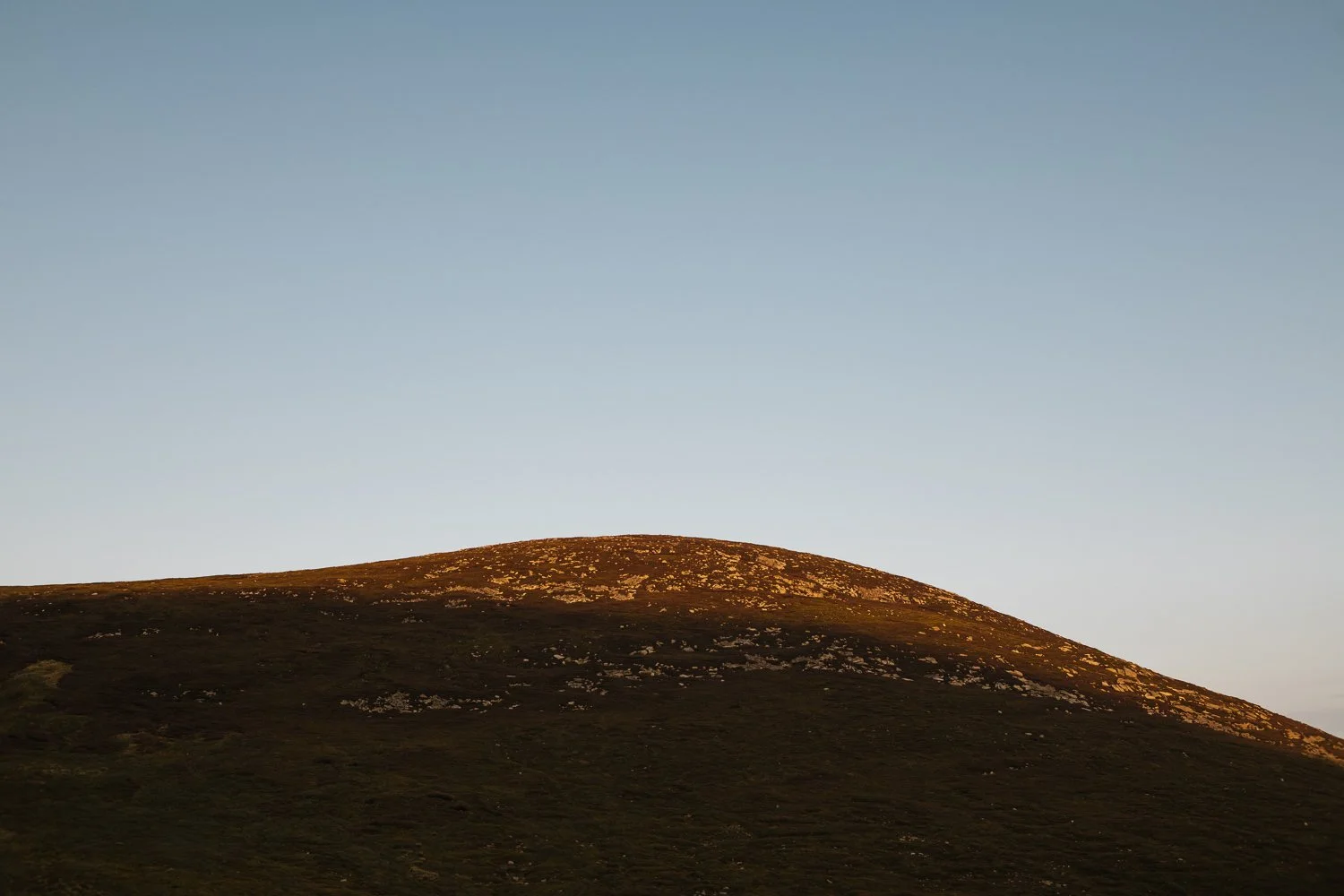
This camp with Stephen Reid on top of Hare’s Castle in August was exactly that—a fresh adventure in a mountain range I’ve been exploring for over 25 years, and easily the highlight of the summer for that very reason. It was still the Mournes I know so well, but somehow new again.
There’s nothing quite like a starry night in the hills with a good friend, a smoky fire, and a hipflask.
Just don’t ask about the midges.
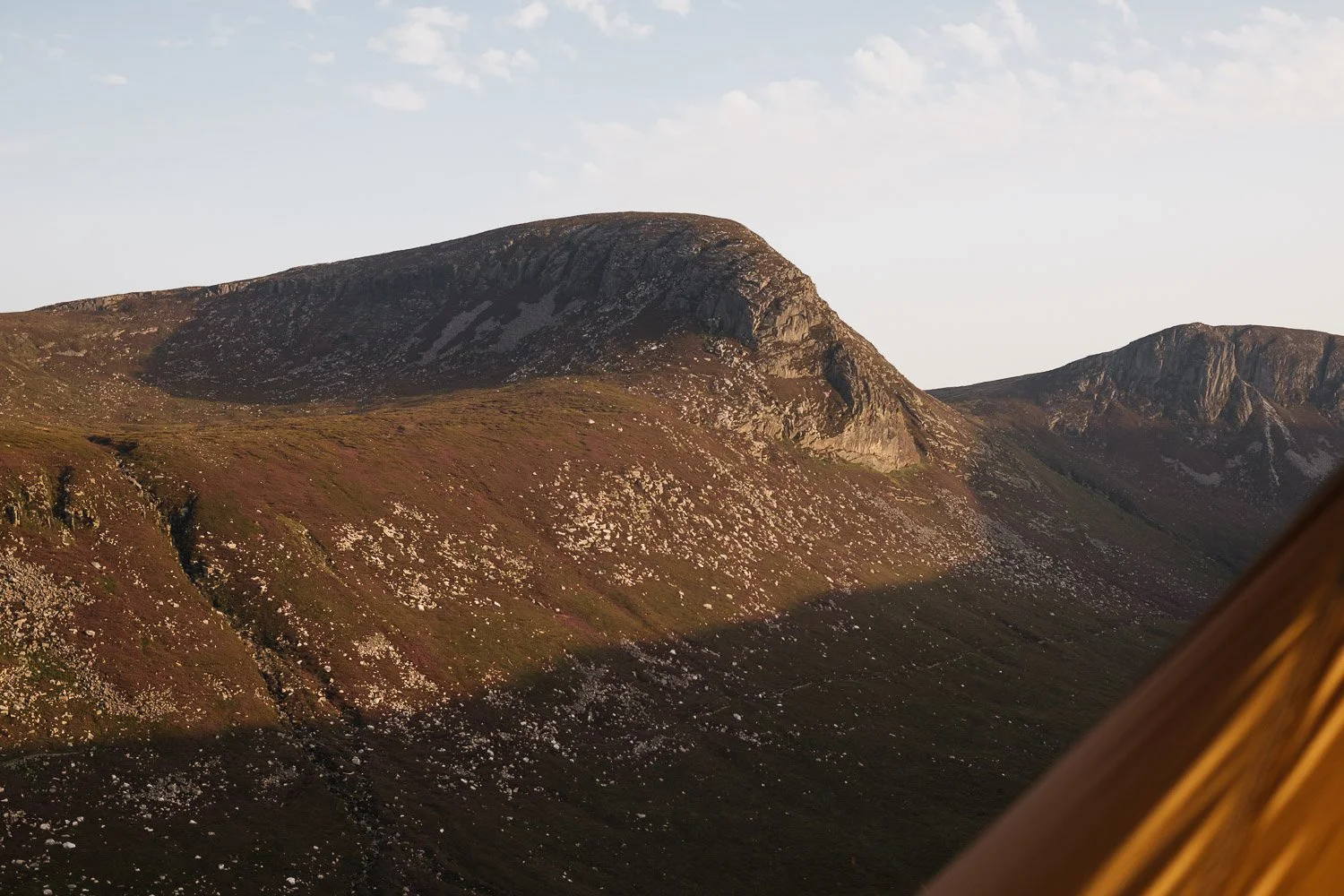
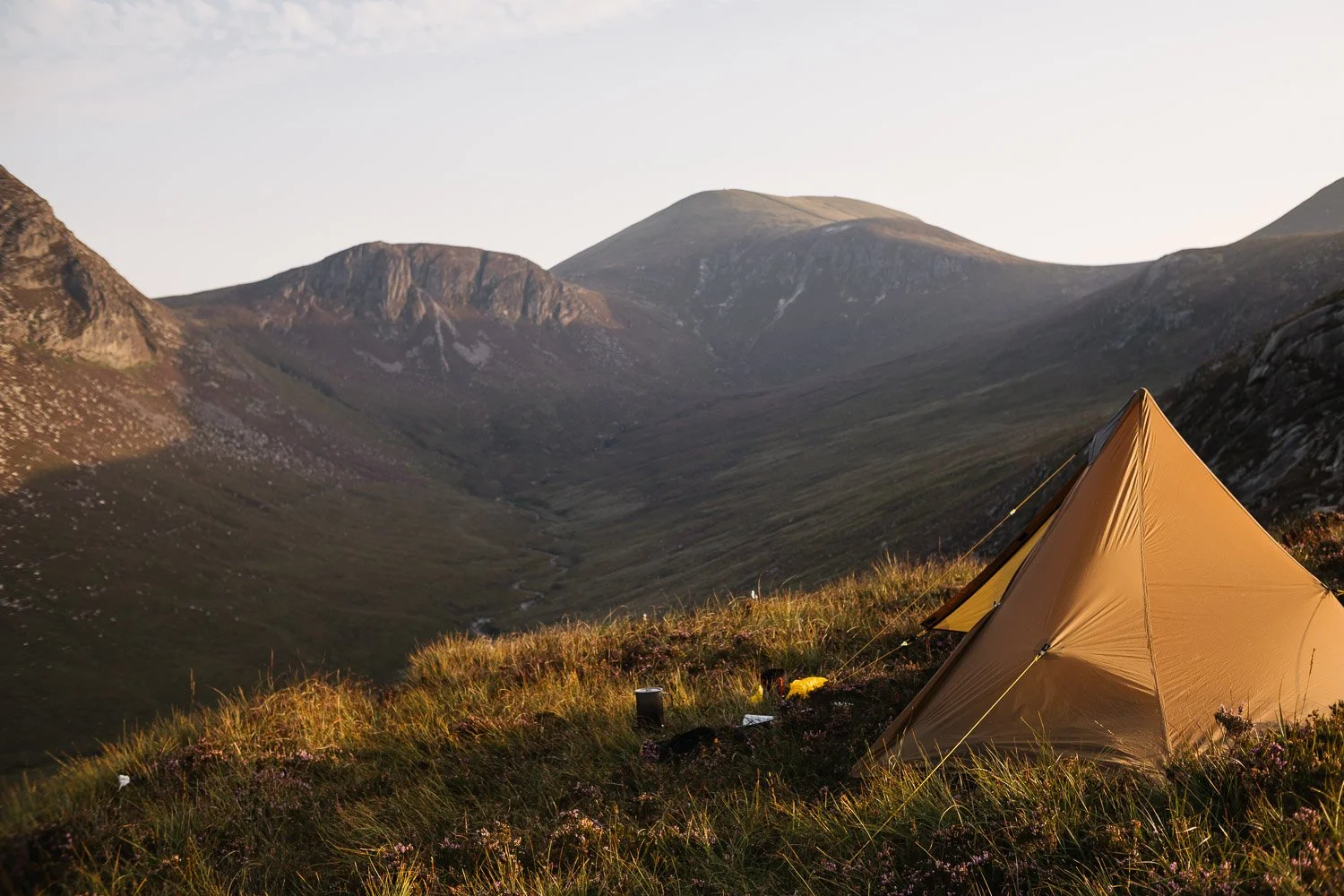
These photos were all shot with a 7artisans 25mm f/1.8 budget lens for Canon EF-M—such an enjoyable little prime to use when the outdoor experience is more important than the photography. I absolutely love its quirks and the almost vintage aesthetic it adds to the images.